
Top of the page

ESSENTIAL FLOCKING TOOL KIT

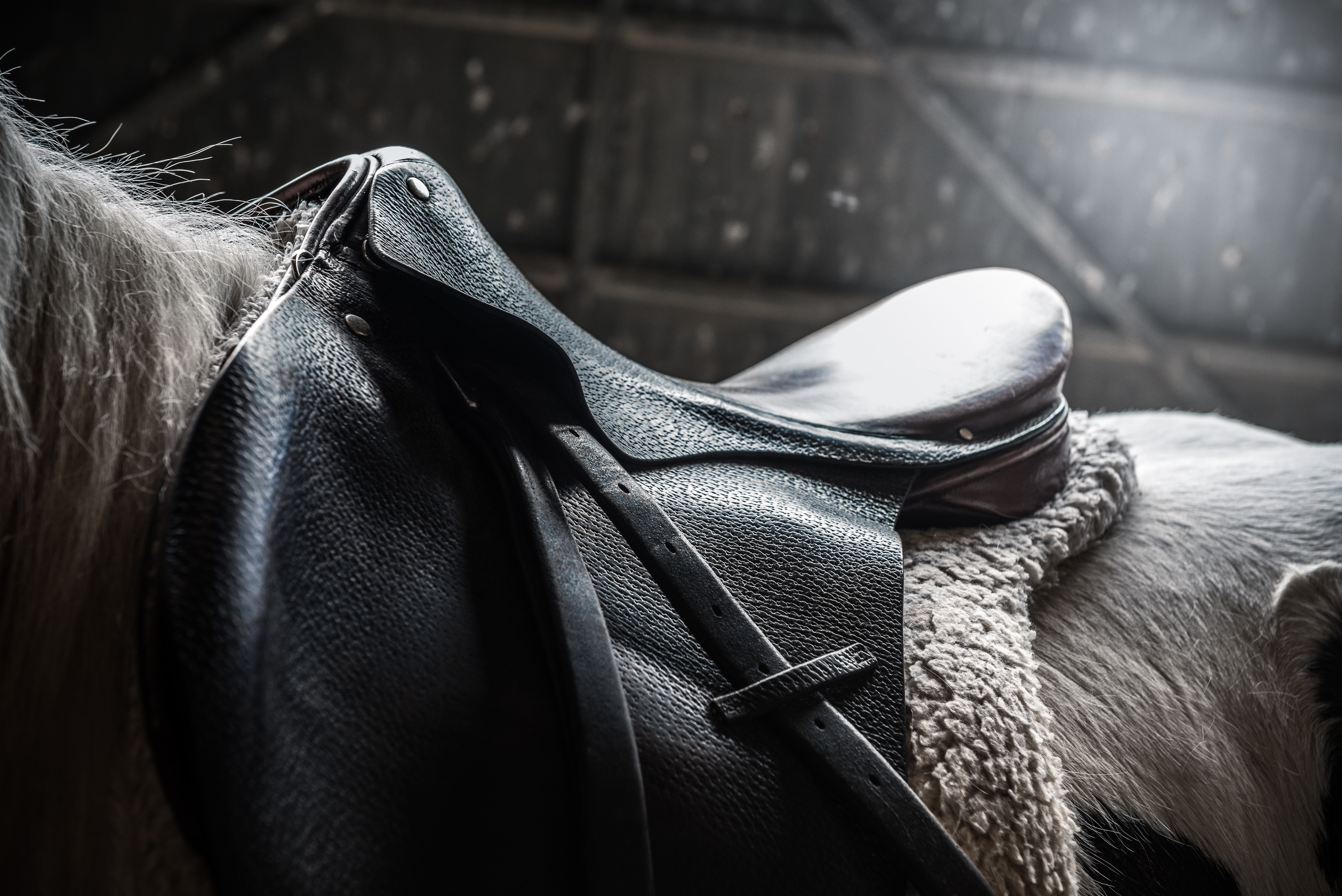
Balck saddle on horse

FIND YOUR ESSENTIAL  

flocking tool kit HERE


A full reflock is a highly skilled and satisfying process, allowing a trained saddle fitter to restore correct balance, support, and comfort for both horse and rider. When carried out correctly, it ensures that the saddle tree, panel design, seat, and blocks work together harmoniously to complement the horse’s conformation and the rider’s position.

Reflocking is not solely focused on the panel and wool. It is also an important opportunity to assess the overall integrity of the saddle, including the soundness and symmetry of the tree, stirrup bars, girthing points, and panel structure. Any findings that may affect safety or comfort should be clearly communicated to the client.

Where appropriately trained, the saddle fitter may also carry out minor adjustments such as adding or removing point or balance girth straps, as well as undertaking small stitching repairs. However, it is essential to recognise the limits of individual training and qualification. Any work that falls outside of a fitter’s competency should always be referred to a qualified saddler. Saddlers are generally very willing to advise and assist, and it is strongly encouraged to seek support when needed, particularly when developing skills or gaining experience.

For those new to the process, reflocking can initially feel daunting — especially when first learning how to “drop a panel” (carefully unpicking the stitching to separate the panel from the seat), or “re-lace” a panel during reassembly. Even with a tool list in hand, it is not always immediately clear which specific awl, needle, or cutting tool is required, and terminology such as a “clicker knife” can be unfamiliar at first.

This guide is designed to support you through those early stages, helping you build confidence and develop good working practice once appropriate flocking training has been completed.

All essential tools and materials referenced within this article can be purchased separately.

Please note that the tool list provided is structured by stage of the process. Where a tool has already been introduced in a previous section, it will not be repeated. Your tutor will guide you on the correct use of each tool and material throughout your training. Any items marked with ** are not supplied by Abbey England but can typically be sourced from general DIY or craft suppliers.

_________________________________________________

OUR CONTRIBUTOR
Image of Catherine Baker

DROPPING THE PANEL


Dropping the panel is the process of carefully separating the saddle panel from the tree and seat, providing access to the internal wool, stitching, and structural components required for reflocking, repair, or inspection. This is a fundamental step in the reflocking process and plays an important role in assessing the saddle’s balance, symmetry, and overall condition.

Correct execution of this stage allows the saddle fitter or saddler to closely examine the internal structure of the saddle and identify any areas that may require adjustment, repair, or replacement.

Tools Required

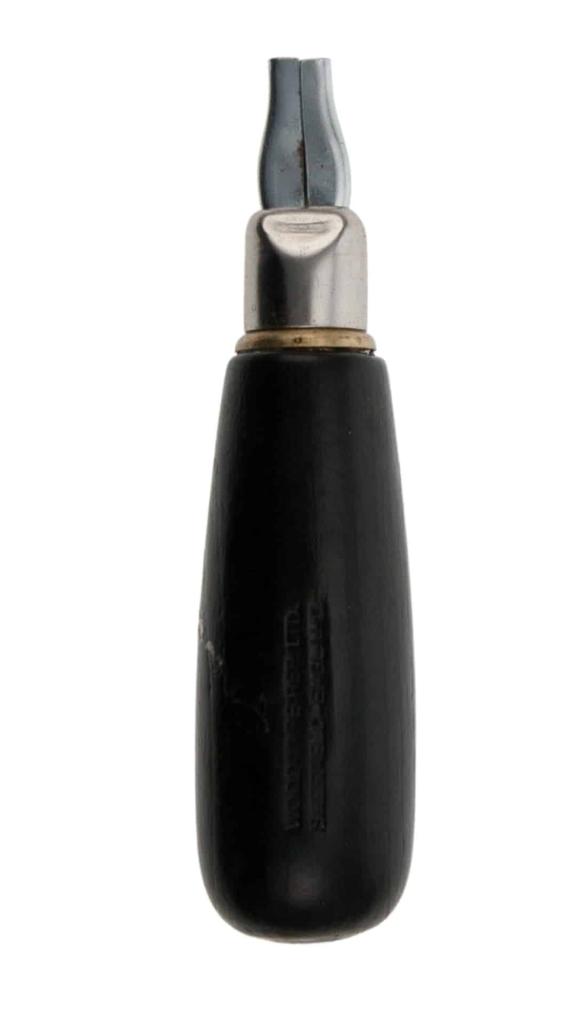
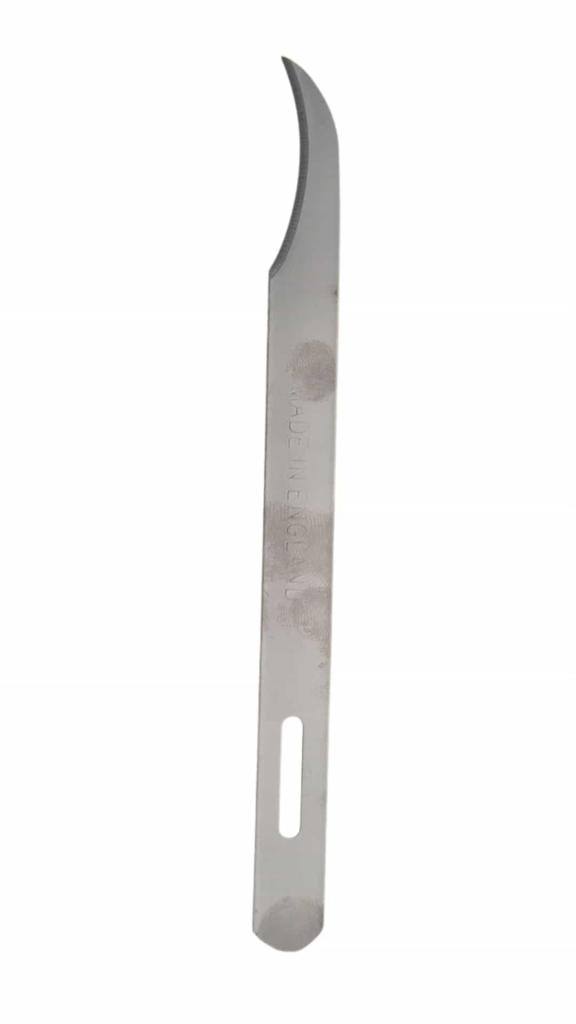
  • Clicker Handle
  • Clicker Blade

A curved blade can be useful when working around tight or awkward areas, as it allows you to follow the natural contours of the leather more easily without causing unnecessary damage. However, many leatherworkers prefer a straight blade, as it often provides greater control and precision when cutting through stitching and leather, resulting in a cleaner and more accurate separation.

Tips for Beginners:

  • When learning to drop a panel for the first time, patience and control are essential.

  • Always work slowly and methodically to avoid cutting into the leather, panel, or tree.

  • Ensure your blade is kept sharp at all times, as a dull blade increases the risk of slipping and uneven cuts.

  • Make small, controlled cuts along the stitching line rather than attempting to separate large sections at once.

  • Take note of the original stitching pattern as you work, as this will make re-lacing the panel significantly easier later in the process.

Dropping the panel can feel intimidating initially, but with the correct tools, careful technique, and practice, it becomes a straightforward and essential part of professional reflocking work.

ASSESSING THE TREE 

Before making any adjustments or beginning the reflocking process, it is essential to carefully inspect the saddle tree for soundness, symmetry, and any signs of wear, distortion, or damage. This step is critical in ensuring the saddle remains safe, balanced, and comfortable for both horse and rider.

A thorough assessment at this stage helps identify structural issues that may affect performance or fit, and ensures that any subsequent reflocking work is carried out on a sound foundation.

Tools Required

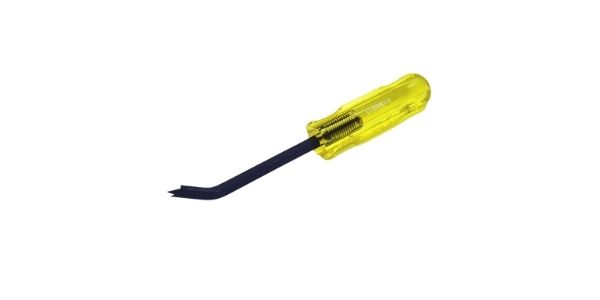
  • Staple and/or Tack Remover – used to carefully remove staples or tacks in order to peel back the gullet lining without damaging the leather or underlying panel structure.
  • Cutting Mat with Grid* – a useful visual reference for checking alignment, symmetry, and balance across both panels of the saddle.

Tips for Assessing the Tree

When assessing the tree, accuracy and patience are key.

  • Work slowly and methodically, removing staples or tacks individually to avoid tearing or distorting the lining.
  • Use the grid on your cutting mat as a visual guide to help identify twists, uneven pressure points, or misalignment within the saddle structure.
  • Pay close attention to the placement of stirrup bars, panel shape, and girth strap positioning, as irregularities in these areas can significantly impact saddle balance and rider comfort.
  • Record your findings clearly so they can inform any necessary adjustments, repairs, or client discussions later in the process.

A careful and structured assessment of the tree provides the foundation for all further work, ensuring that reflocking and adjustments are carried out safely and effectively.

A thorough assessment of the saddle tree is a crucial stage in the reflocking process, as it ensures the saddle remains structurally sound, safe, and comfortable for both horse and rider. Identifying any issues at this point allows for accurate corrections to be made before any new wool is added or panel adjustments are carried out, helping to maintain correct balance and long-term performance.

READYING THE PANEL

Once the panel has been dropped, the next stage is to carefully remove the existing flocking and carry out any minor adjustments required to the panel structure before introducing new wool. Proper preparation at this stage is essential to ensure a smooth, even finish and to help maintain the correct balance and performance of the saddle once reflocked.

Taking the time to prepare the panel thoroughly allows for a more consistent fill, improves the overall fit, and ensures the final result supports both horse and rider correctly.

Recommended Tools and Materials:

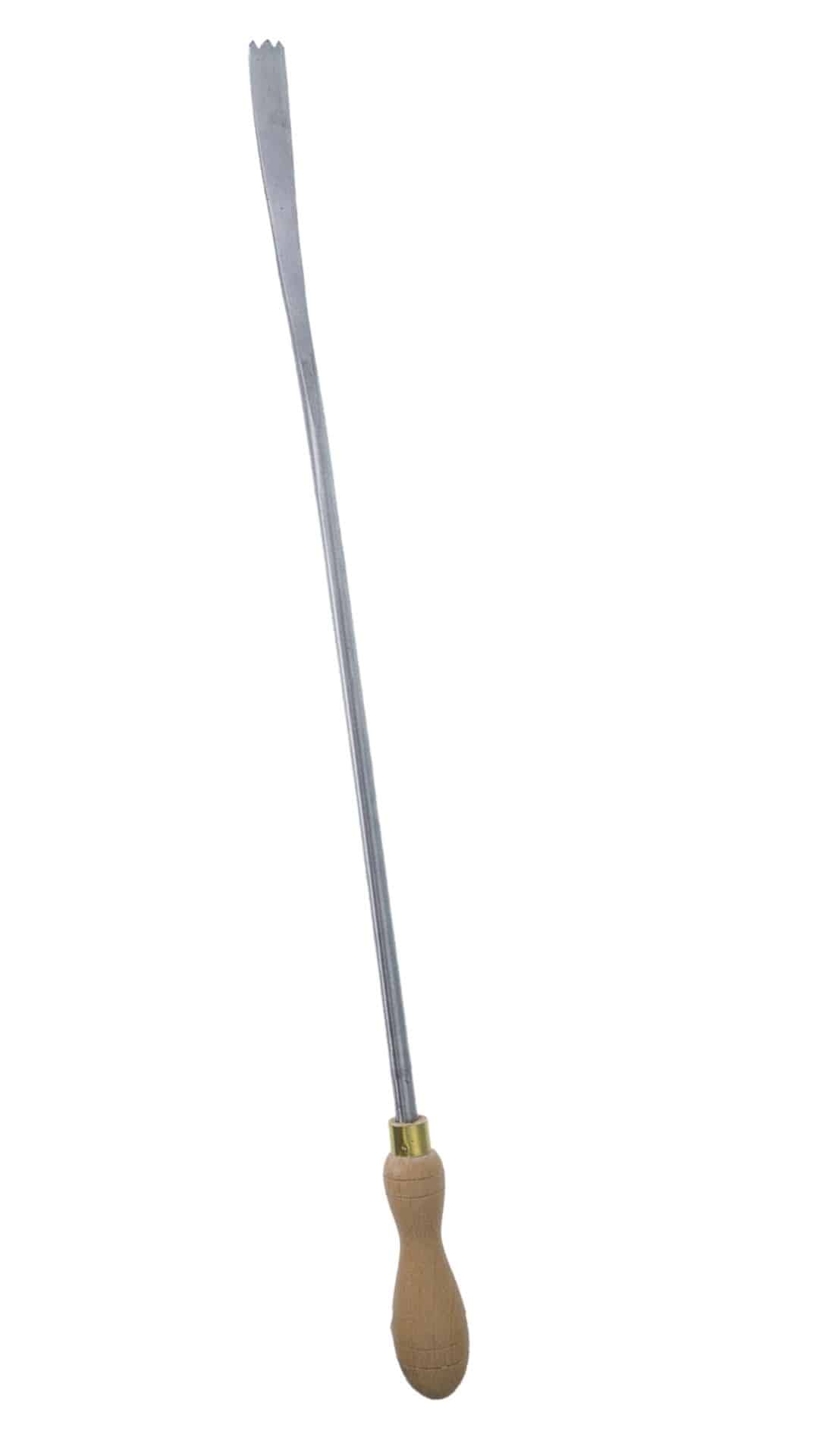
  • De-flocking Iron – used to safely and efficiently remove old wool from the panel without damaging the internal structure.
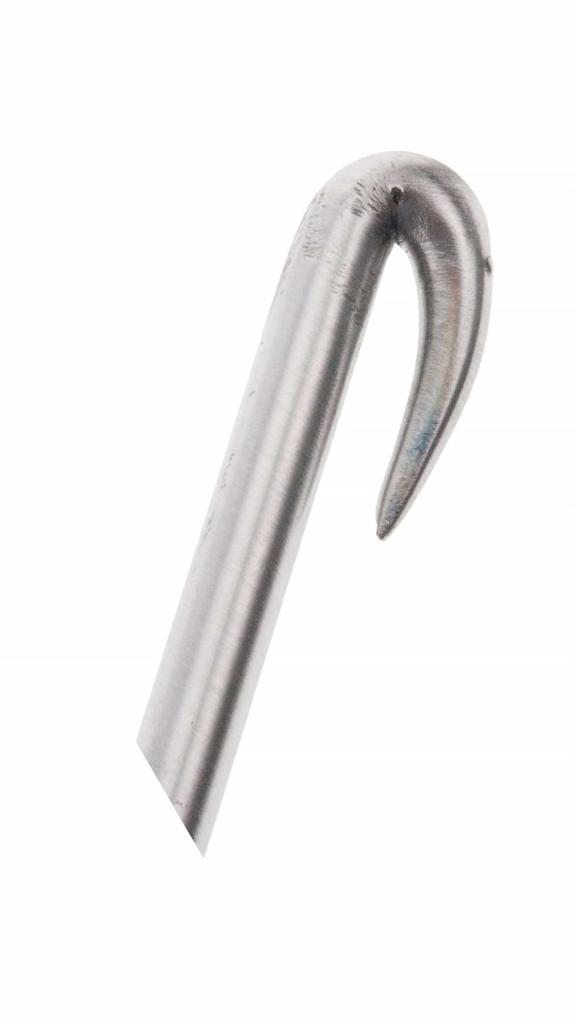
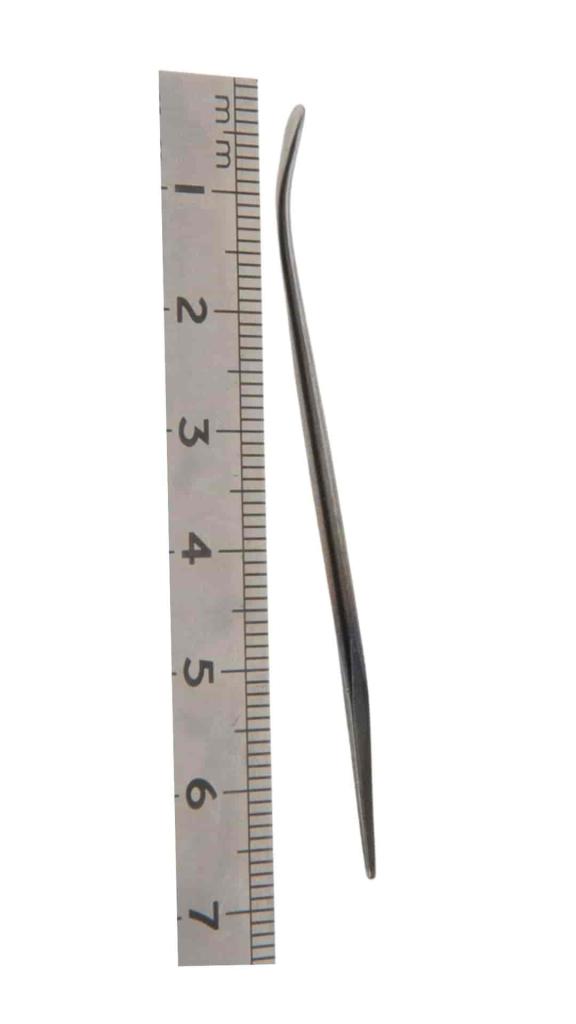
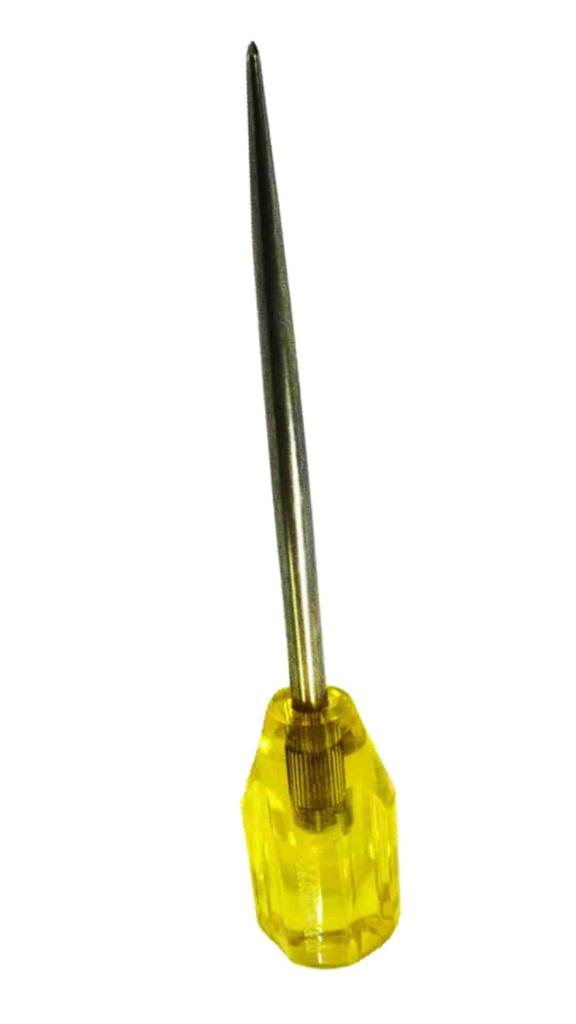
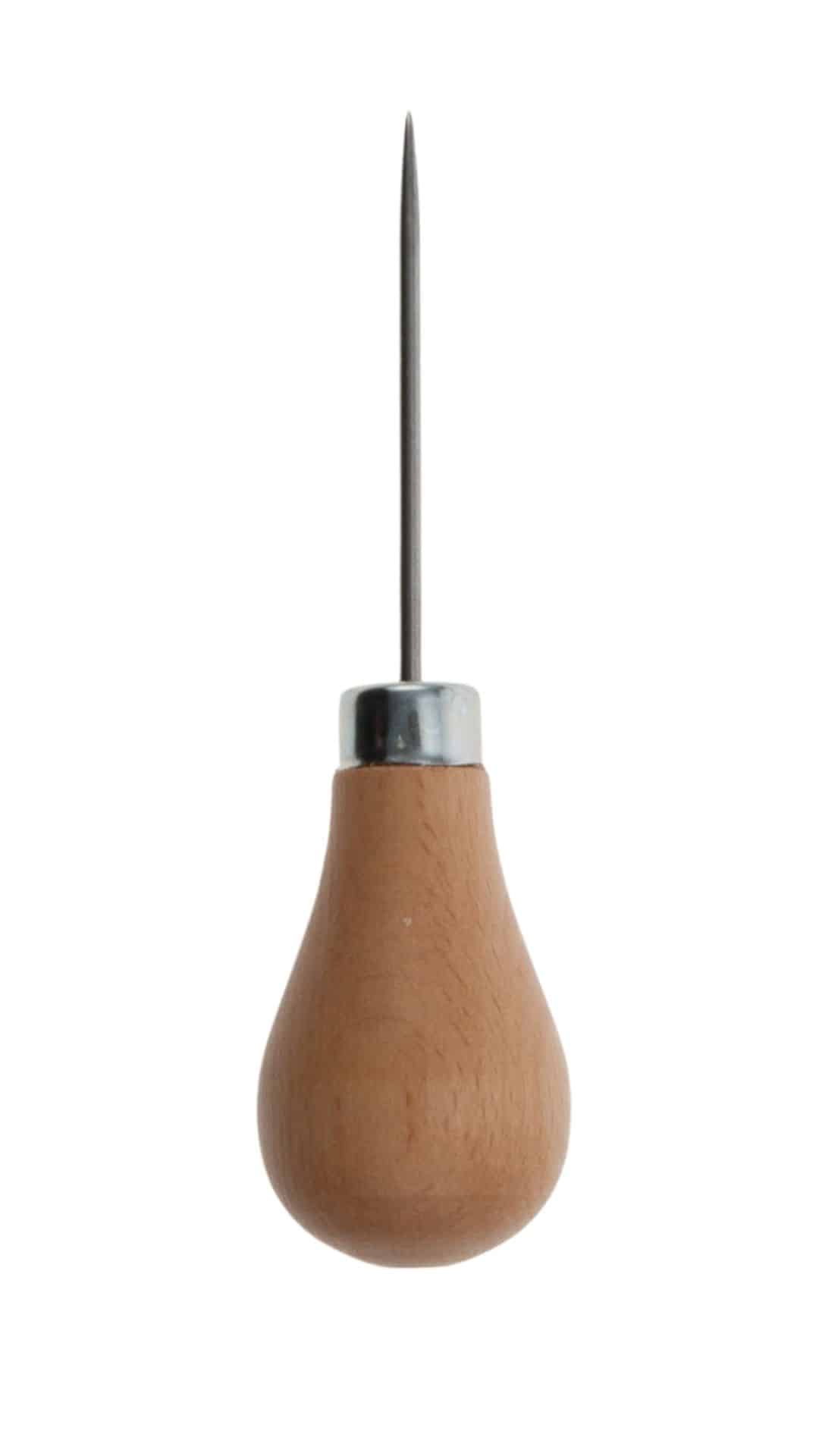
  • Awl – for preparing and opening leather in readiness for stitching.
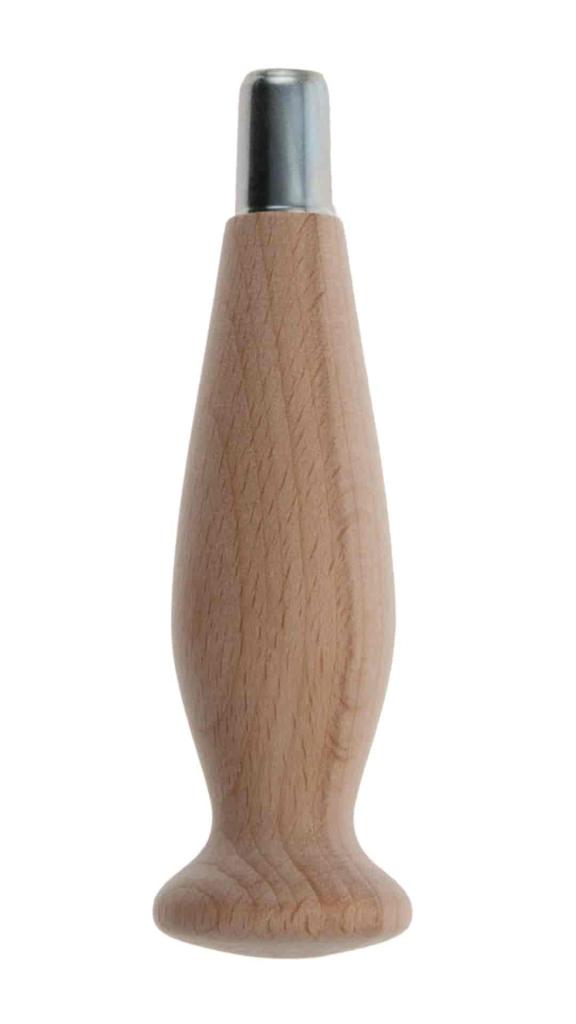
  • Awl Handle – provides improved comfort and control during stitching work.
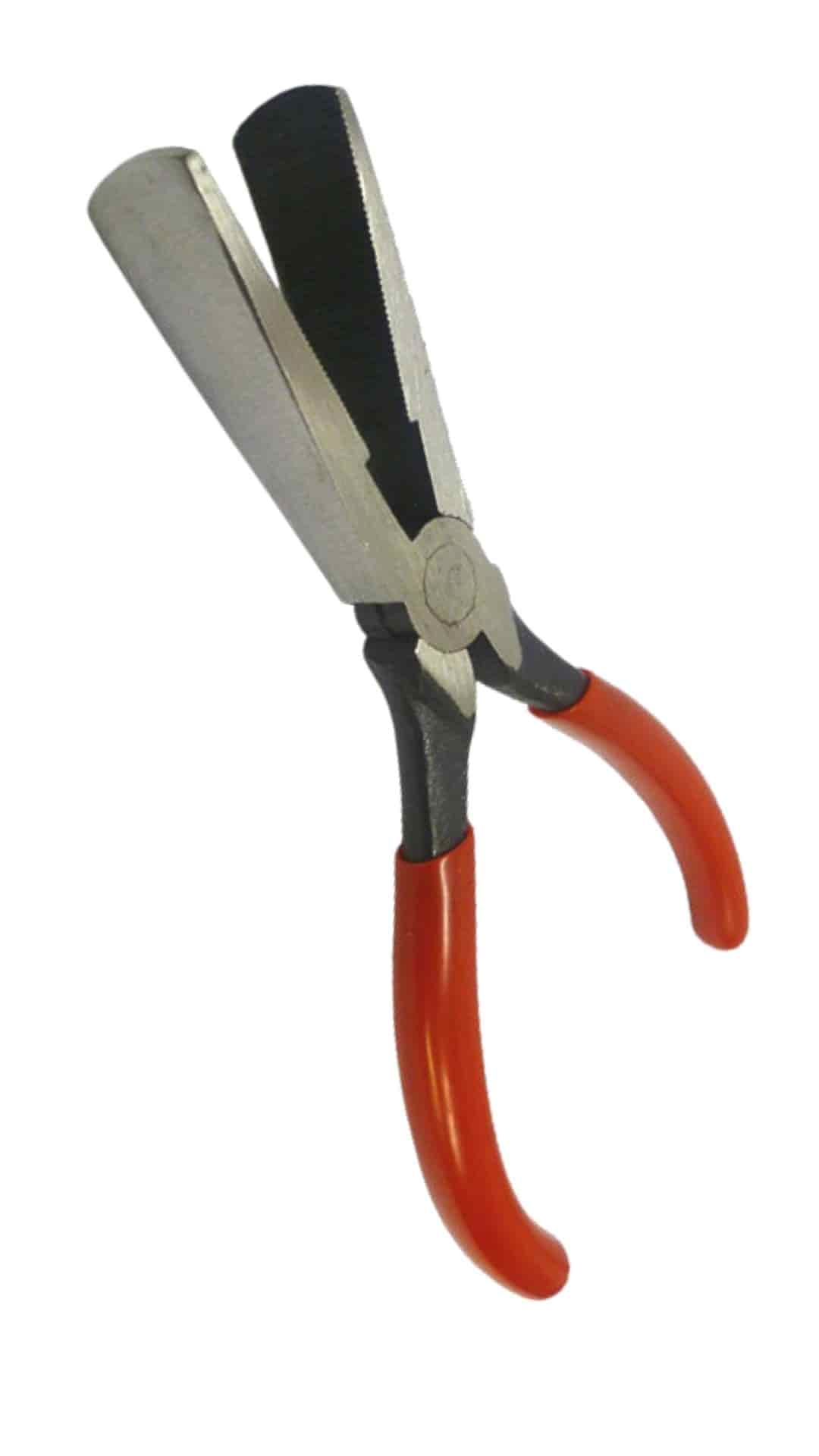
  • Long Nose Pliers* – useful for handling materials and assisting with stitching adjustments in tight areas.
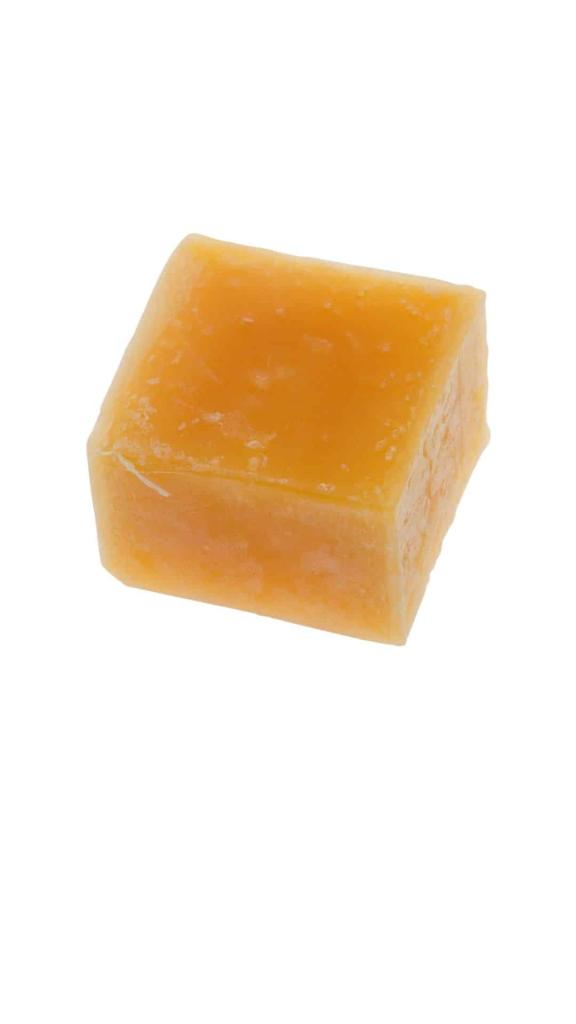
  • Beeswax – applied to thread to reduce friction, improve durability, and ease stitching.
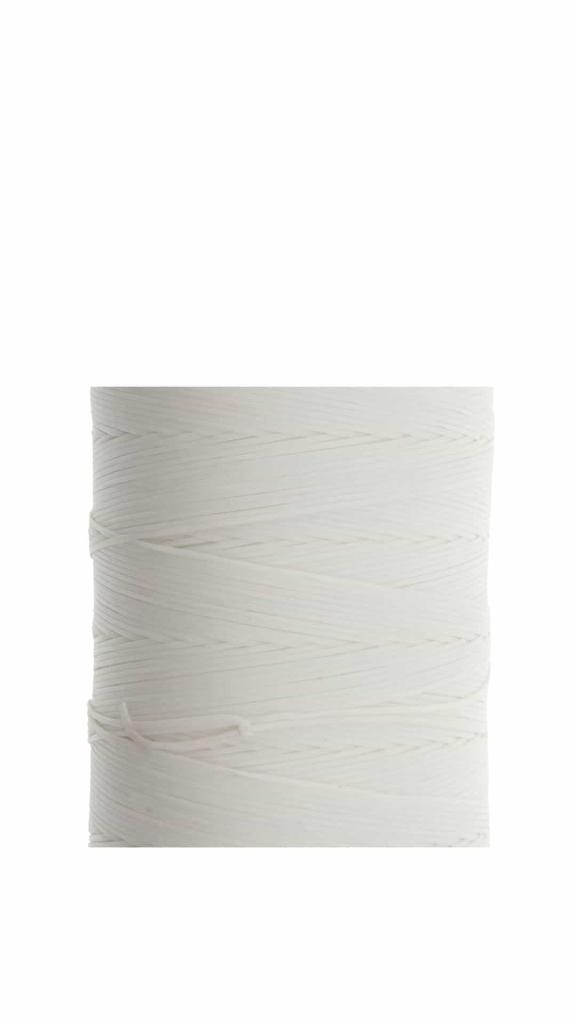
  • Tiger Thread (0.6mm – 0.8mm) – a strong, high-quality thread suitable for durable panel stitching.
  • Harness Needle, Size 2 (Straight) – used for closing the inner panel or lacing the front section of the saddle.
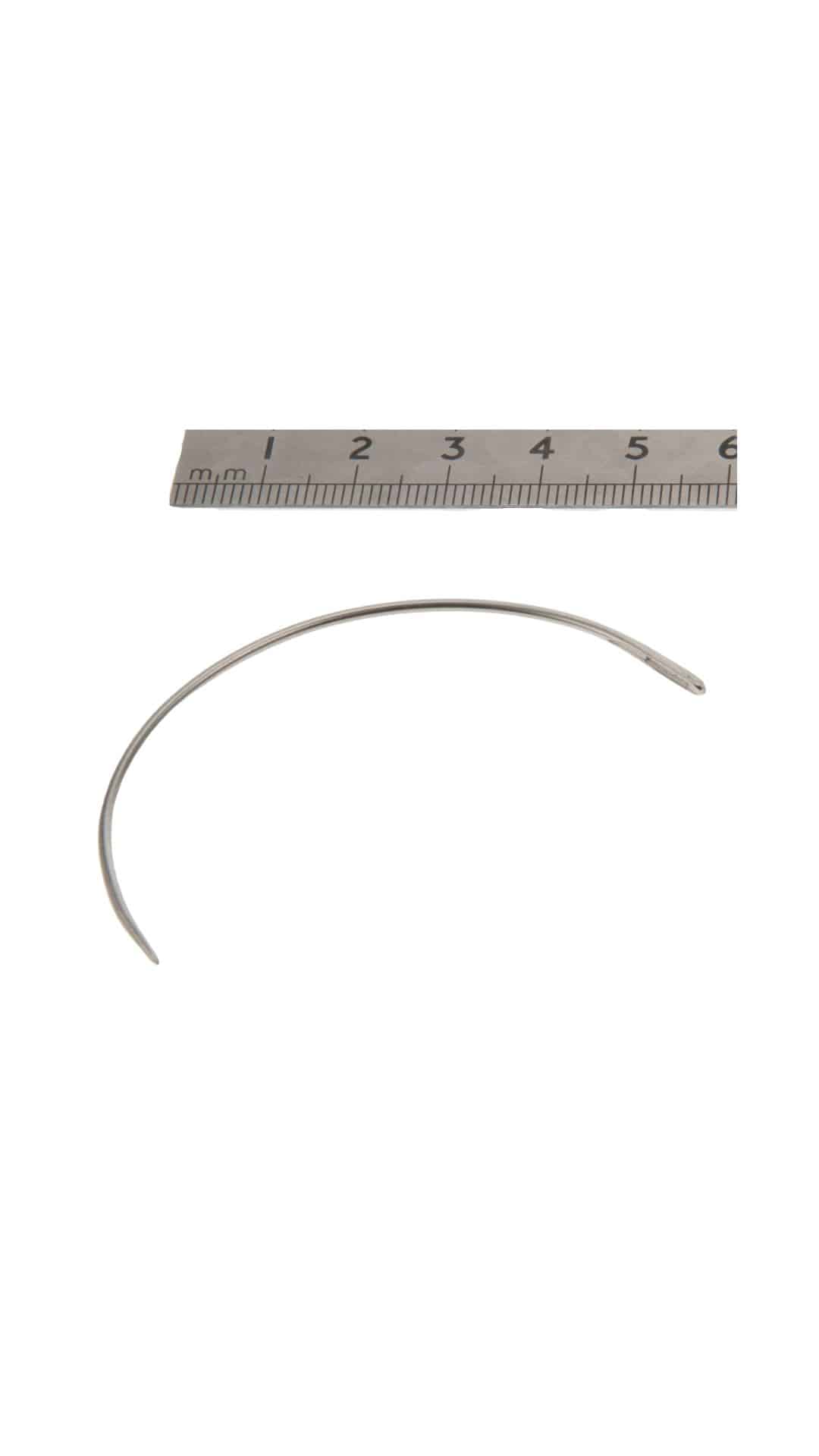
  • Curved Mattress Needle, 3” – ideal for lacing the rear panel and carrying out stitching adjustments in curved or difficult areas.

A Note About Needles

There are three main types of needles commonly used in saddle reflocking work, each designed for specific stages of the process. Selecting the correct needle is essential for achieving accurate, secure, and professional results.

Straight, Blunt Harness Needles
  • Most commonly used for closing the inner panel after old flocking has been removed and new wool has been added.
  • Also used for lacing the front of the saddle and carrying out minor adjustments to panel shape and structure.
  • Their straight form provides control and precision when working through traditional stitching lines.

Curved Mattress Needles
  • Can be used for many of the same tasks as straight harness needles, offering versatility in panel work.
  • Particularly well suited for lacing the rear panel, where the panel attaches to the seat and access can be more restricted.
  • The curved shape allows for improved reach and smoother stitching in tighter or awkward areas.

Long, Thick Straight Mattress Needles
  • Used primarily for quilting the panel legs once the flocking process has been completed.
  • Typically, only three to four stitches are required along the lower section of the panel leg to help the panel shape correctly conform to the horse’s conformation and workload.
  • The decision to quilt—and the placement of stitches—should always be based on a careful assessment of both horse and rider requirements.

FLOCKING THE PANEL

Once the panel has been fully prepared, the next stage is to introduce the new flocking material. Correct flocking is essential to ensure the saddle panels are evenly filled, supportive, and comfortable, allowing the saddle to perform correctly on the horse’s back.

The aim of this stage is to achieve a consistent, well-balanced distribution of wool that supports both the saddle tree and the horse’s conformation, without creating pressure points or uneven weight distribution.

Materials Needed:

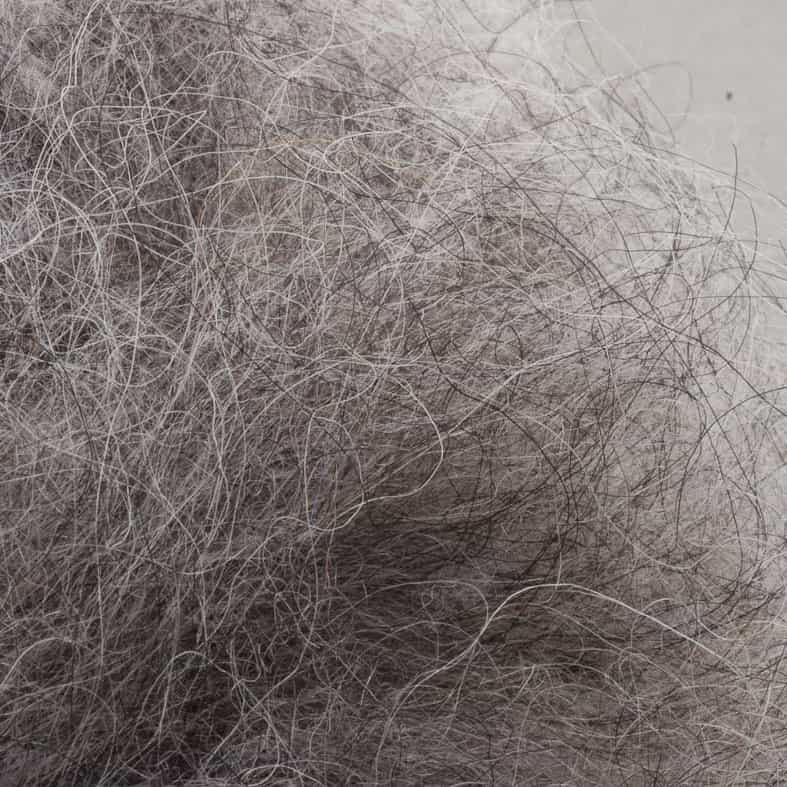
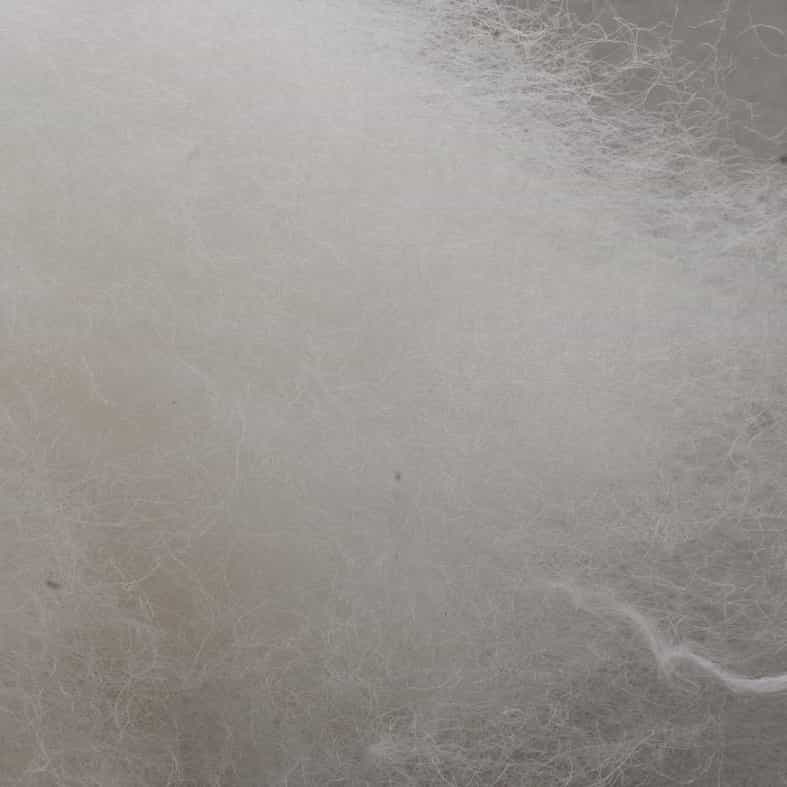
  • White Long Fibre Wool or Brown Jacobs Wool – approximately 2kg is generally sufficient for most standard saddles, although requirements may vary depending on panel size and adjustment needs.
  • Flocking Irons

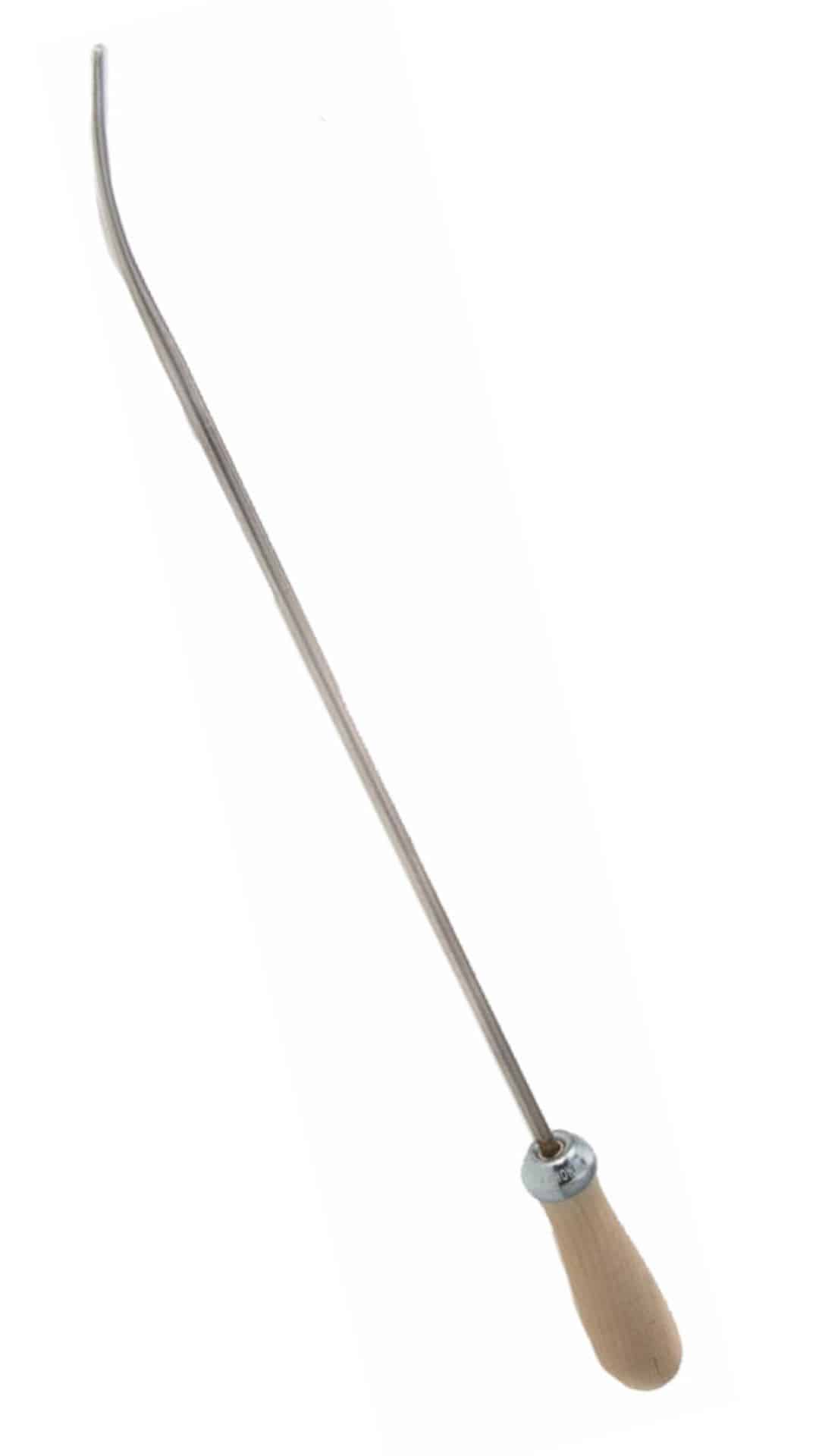
    Flocking irons are used to distribute, position, and manipulate the wool evenly throughout the panel.

    • Economy Stuffing Iron – more flexible in design, allowing easier movement into tight corners and curved areas of the panel.
    • Stainless Steel Flocking Iron – more rigid and durable, offering greater precision and control for detailed or finishing work.
  • Both tools play an important role in ensuring the wool is evenly spread and correctly positioned within the panel structure.

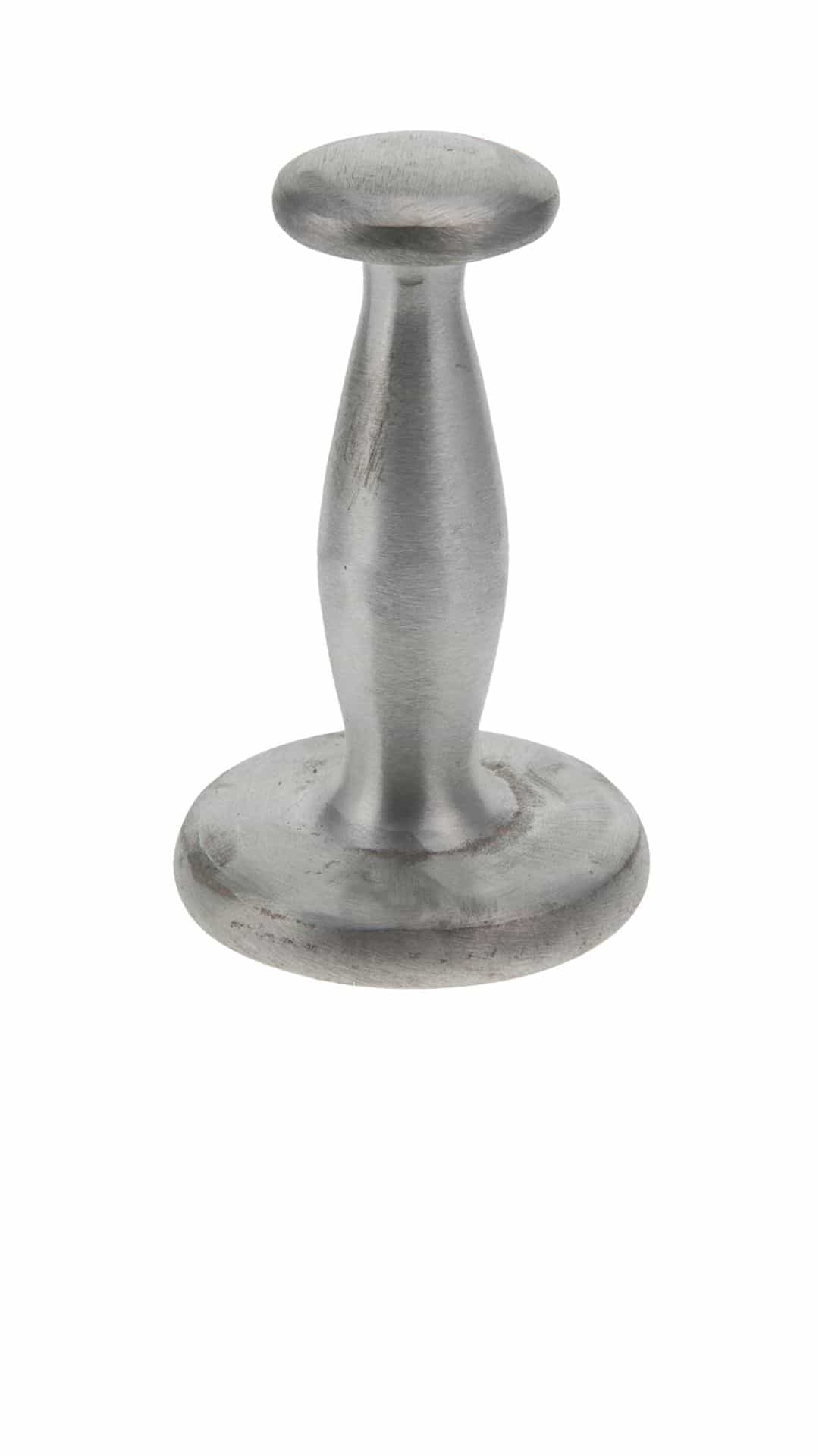
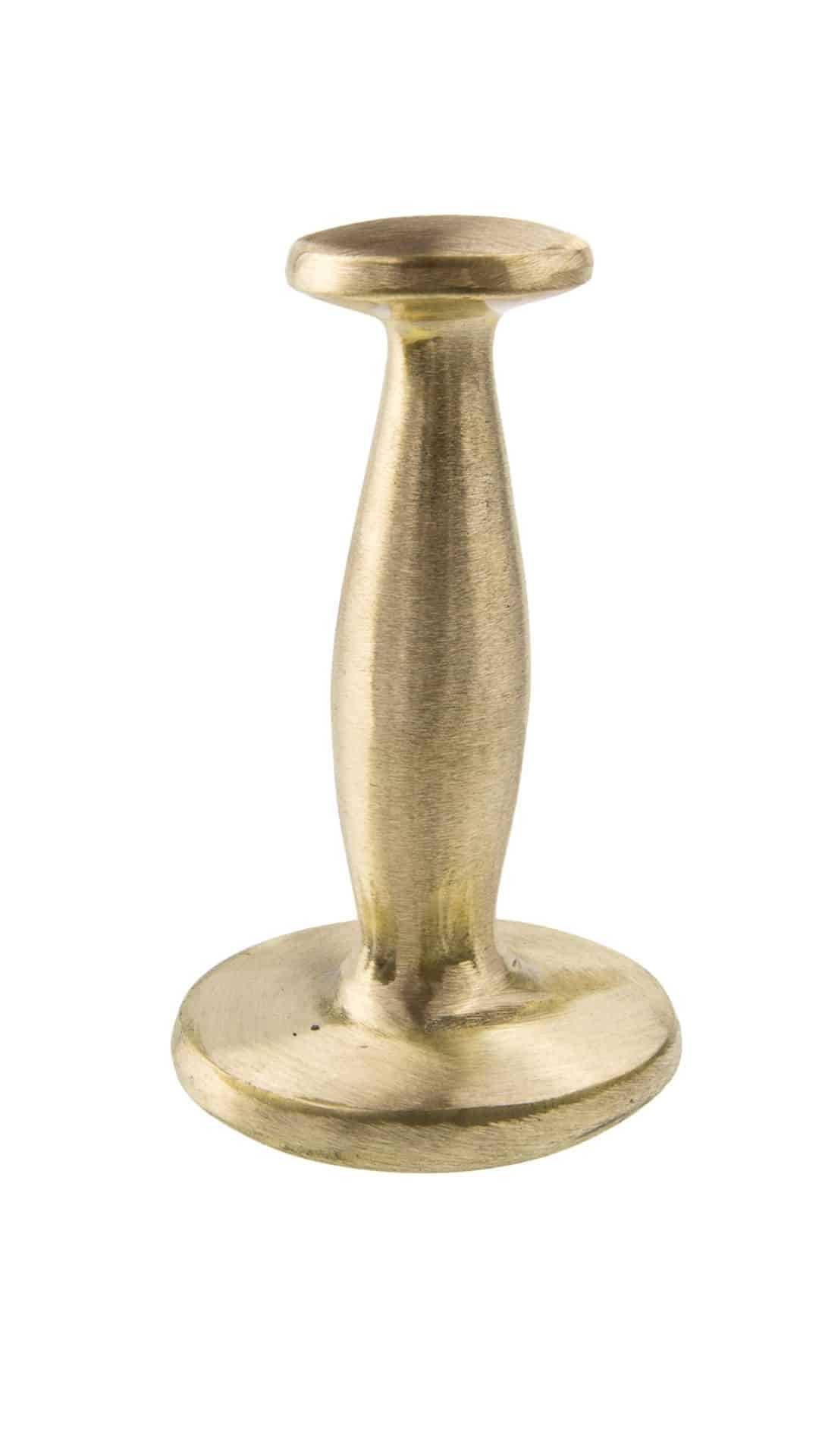
  • Smasher / Masher

The smasher (or masher) is used to compress and shape the flocking once it has been distributed within the panel.

  • Available in aluminium or brass, depending on preference and handling feel.
  • Helps to compact the wool evenly, ensuring a smooth, consistent fill and preventing uneven settling over time.
  • Essential for achieving the correct density and balance within the finished panel.

Correct flocking technique, combined with the appropriate tools, ensures the saddle panels provide consistent support, maintain shape, and deliver long-term comfort and performance for the horse.

Tips for Flocking

Achieving a consistent, well-balanced flocking requires patience, control, and regular assessment throughout the process. Working methodically will help ensure the panels are even, supportive, and correctly shaped to the horse’s conformation.

  • Work in small, manageable sections, gradually adding and pressing the wool to avoid uneven distribution or dense patches within the panel.
  • Use the flocking iron to carefully guide and push the wool into corners, edges, and tighter areas, ensuring the panel maintains its intended shape and structure.
  • The smasher is used to compress the wool evenly, creating a firm and consistent fill; however, care should be taken not to over-compress, as this can affect balance and alter the saddle’s fit.
  • Regularly check panel symmetry throughout the process by comparing both sides, ensuring alignment is maintained and that both panels are building up evenly for optimal comfort and performance.

 LINING THE PANEL

Once the panel has been fully flocked, you may choose to line it to provide additional cushioning, protection, and durability. A well-chosen lining helps support the flocking, maintain the panel’s shape over time, and enhance overall comfort for the horse.

Lining can also assist in reducing wear between the panel and saddle structure, contributing to improved longevity and a more consistent performance under regular use.

.
Lining Options:
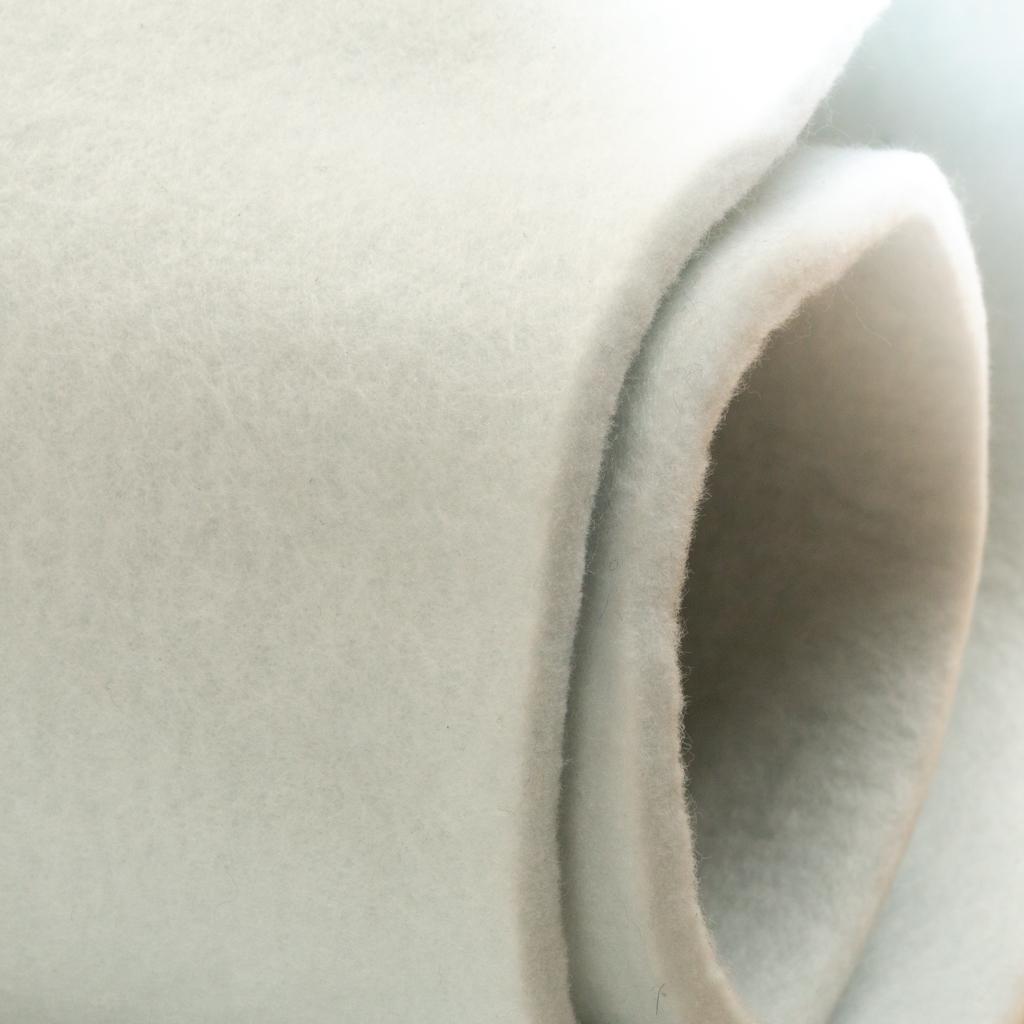
  • Soft Polyester Felt – a lightweight and durable option that provides a smooth, even finish while offering gentle cushioning support. It is commonly used for its balance of practicality and comfort.
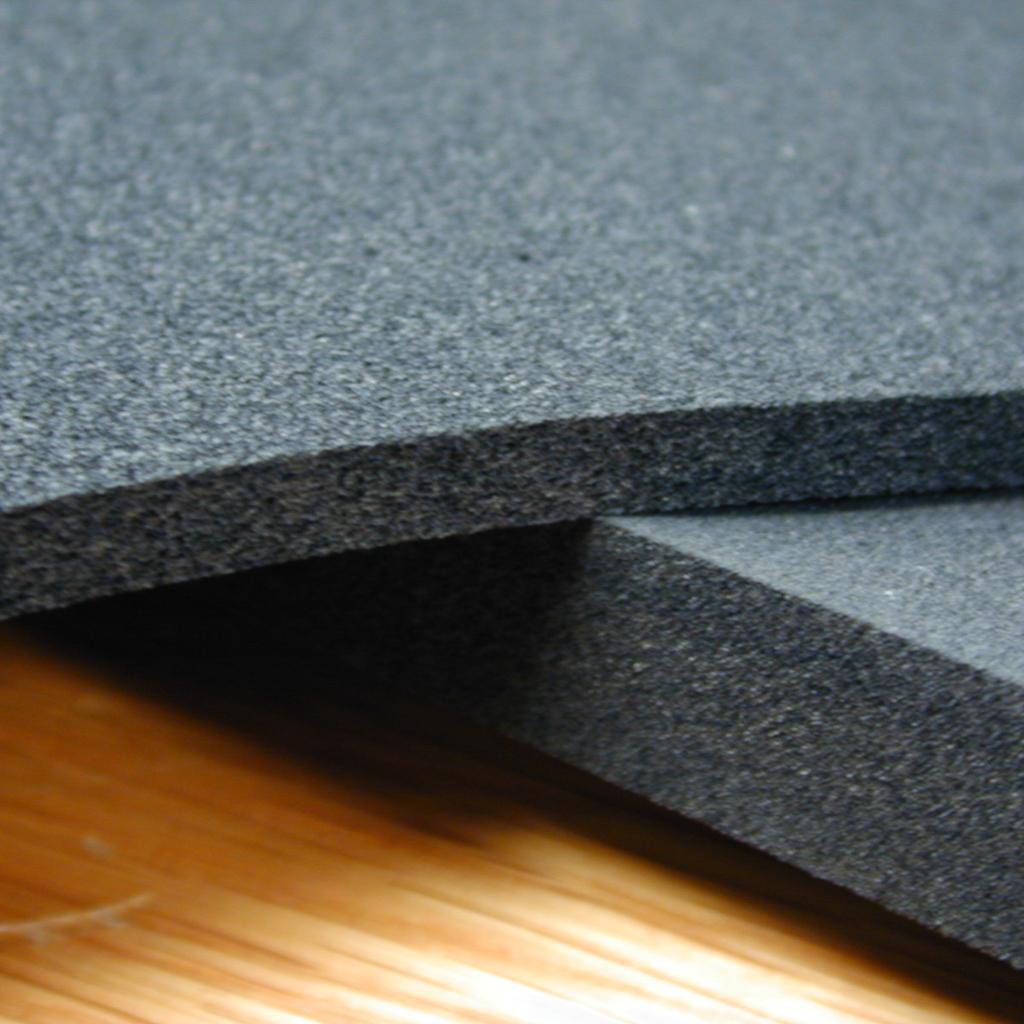
  • Neoprene EPDM (typically 3mm) – offers increased cushioning and resilience, making it particularly suitable for saddles that experience higher levels of impact or frequent, heavy use. It helps absorb pressure while maintaining stability and structure.

Tips for Lining

Correctly applying the lining is an important finishing stage in the reflocking process, helping to secure the flocking, protect the panel structure, and ensure a clean, professional result.

  • Cut the lining accurately to fit the shape of the panel, ensuring there are no folds, wrinkles, or gaps that could affect the final finish or performance.
  • Ensure the lining sits smoothly and evenly over the flocking, maintaining the natural shape, symmetry, and balance of the panel.
  • Use this stage as an opportunity to reassess panel balance and alignment, making any small adjustments to the flocking if required before the panel is closed.
  • Take care to ensure consistent tension and placement, as this will contribute to both the durability and comfort of the finished saddle.

Properly applied lining not only protects the internal structure of the panel but also enhances comfort, longevity, and overall performance, delivering a clean and professional finish to the reflocking process.

LACING IN THE PANEL

After the panel has been prepared, flocked, and optionally lined, the next step is to re-lace it back into the saddle. This stage is essential for securing the panel correctly and ensuring it maintains its intended shape, alignment, and overall balance.

Correct lacing not only holds the structure firmly in place but also plays a key role in the long-term performance of the saddle, helping to preserve even contact and consistent support across the horse’s back.

Tools and Materials Needed

  • White Gel Pen* – used for accurately marking panel positions and reference points; can also be used prior to dropping the panel to ensure consistent alignment.
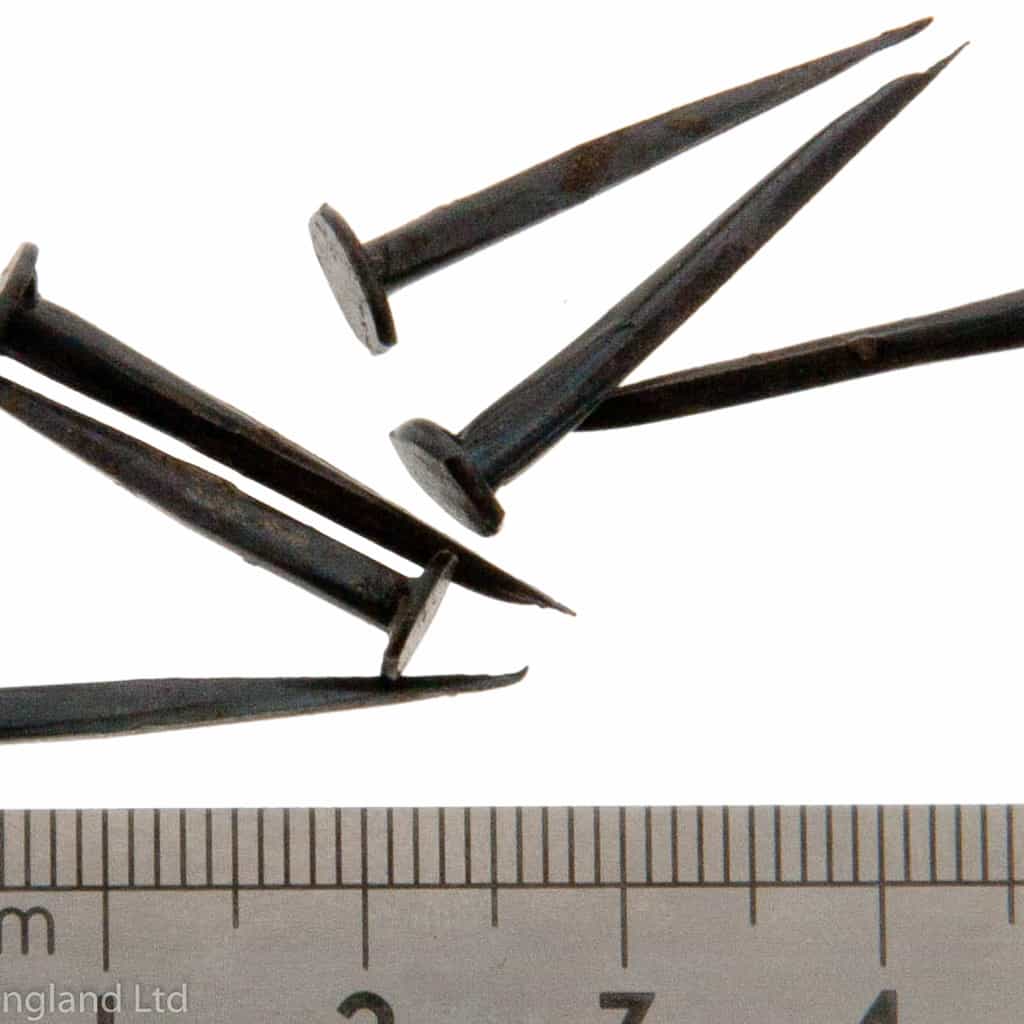
  • 20mm Tacks or Scratch Awl – used to temporarily secure the front of the panel in position during the lacing process.
  • Curved Awl (with Handle) – assists in guiding thread and creating precise stitching holes, particularly in tighter or curved areas.
  • Clicker or Scratch Awl – used for fine, detailed work along panel edges where accuracy is essential.
  • Tiger Thread – doubled 0.8mm–1mm for front sections; 1.4mm for lacing the rear panel, providing strength and durability throughout.
  • Thread Snips or Small Sharp Scissors* – used to create a clean, fine point on thread ends to aid easier needle threading.
  • Harness Needles and Curved Mattress Needles – essential for stitching and lacing different sections of the panel securely and accurately.
  • Short Nose or Saddler’s Pliers – used to grip and pull lacing tight, helping to maintain consistent thread tension.
  • Short Length of Round Doweling* – a useful aid for maintaining even tension and alignment while tightening lacing during the process.
  • Straight Mattress Needle – only required when adding quilting to panel legs, and should be used following tutor guidance and assessment.

Tips for Lacing

Re-lacing the panel is a precise and controlled stage of the reflocking process, requiring patience, consistency, and careful attention to detail to ensure a secure and well-balanced finish.

  • Begin by securely holding the front of the panel in position using tacks or a scratch awl to maintain correct alignment throughout the process.
  • Carefully lace the rear panel, working methodically and maintaining even tension to prevent distortion, twisting, or uneven pull across the panel structure.
  • Use pliers or a short length of dowelling to assist in pulling the lacing tight, helping to achieve a smooth, flush, and consistent finish.
  • When considering quilting on the panel legs, always assess the horse and rider requirements first, and only apply stitching where it is necessary to support or refine the panel shape.
  • Follow the original stitching pattern closely to ensure the panel is reassembled symmetrically, securely, and in line with its original construction.

Re-lacing is a critical stage in the reflocking process. Using the correct tools and maintaining good technique ensures the panel is securely fitted, evenly tensioned, and comfortable, resulting in a professional, well-finished saddle.

FINAL CHECKS

​Before returning the reflocked saddle to the horse for fitting, it is essential to carry out a thorough final inspection. This ensures that all work has been completed accurately, securely, and to a professional standard, while also confirming the comfort and safety of the finished saddle.
Steps for Final Checks:

Inspect the Panel

  • Check that the panel is evenly filled, well-balanced, and symmetrical on both sides.
  • Ensure all lacing is secure, correctly tensioned, and that the panel sits smoothly and flush against the saddle tree without gaps or distortion.

Check Stitching and Adjustments

  • Verify that any alterations to girth straps, quilting, or panel shaping have been completed accurately and are structurally sound.
  • Confirm that all stitching is consistent, with no loose threads, uneven tension, or deviations from the original stitching pattern.

Clean and Condition the Leather

  • Carry out a final clean of the saddle to remove any dust, fibres, or residual flocking material from the work process.
  • Apply a suitable leather care product to nourish and protect the leather, helping to maintain suppleness, durability, and overall appearance.
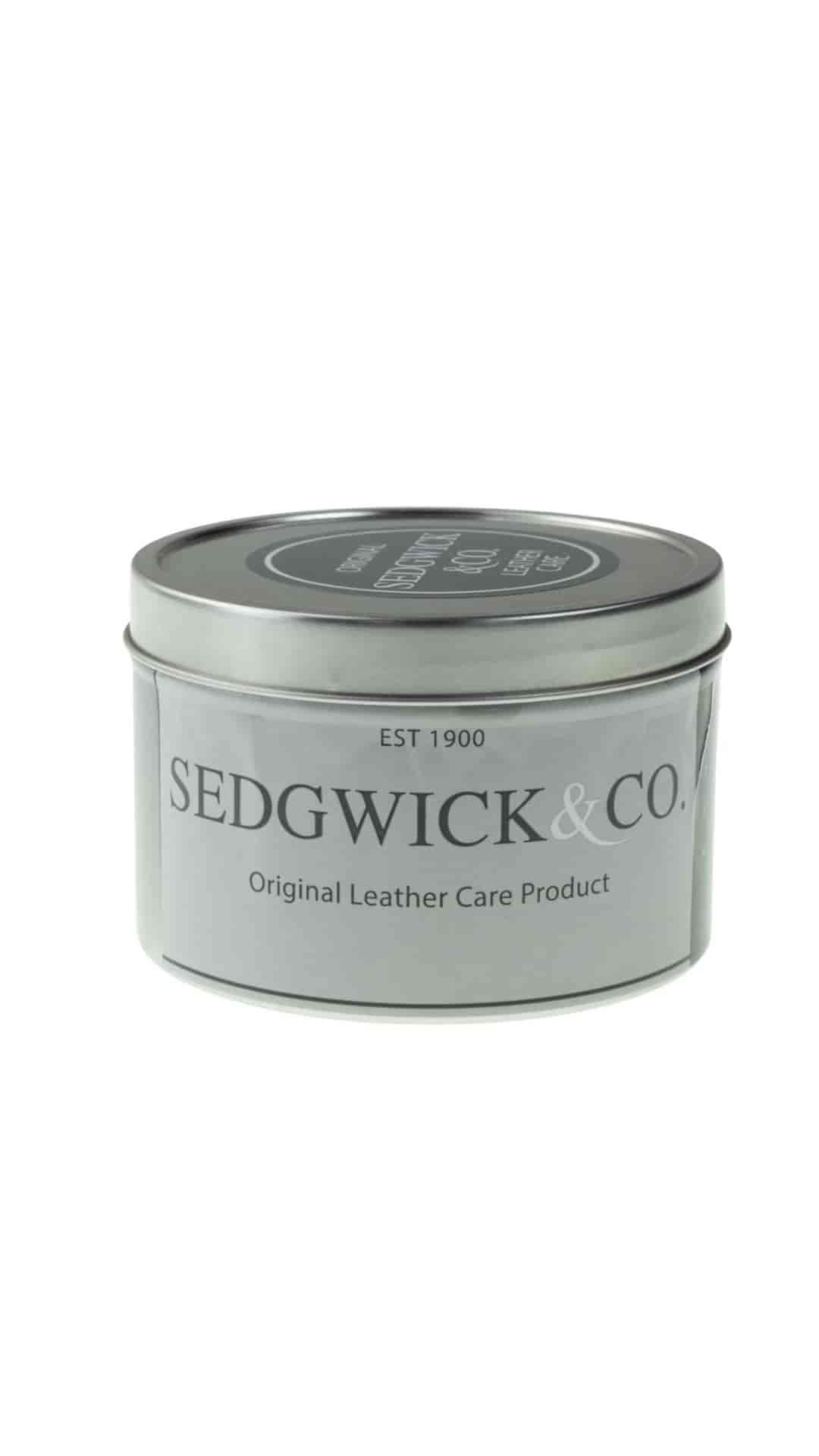
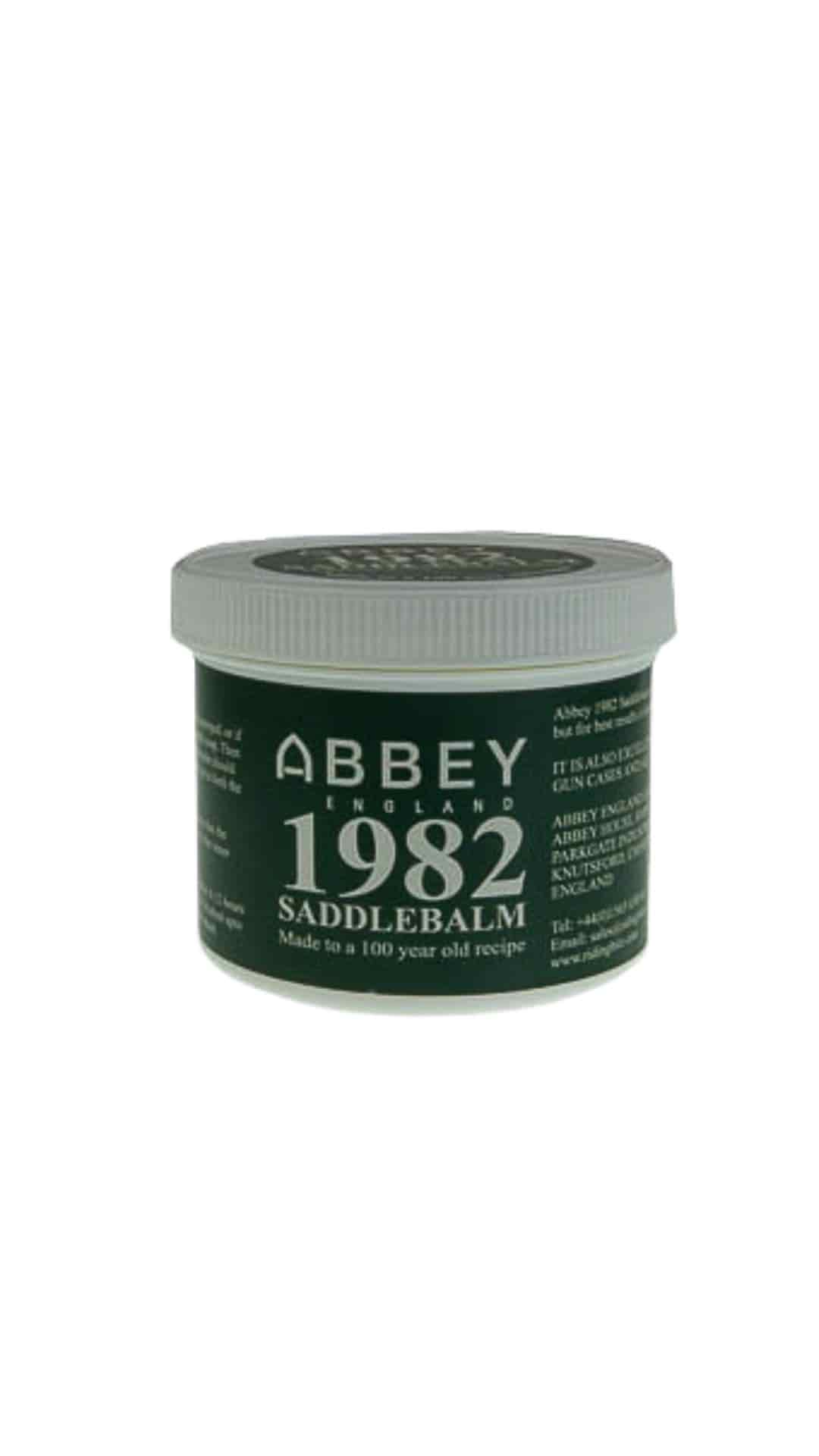
    • Recommended products include Abbey Saddle Food or Sedgwick Leathercare.


Click the button ‘View product’ to see the price and add to cart
ADDITIONAL TASKS

Additional Tasks: Adding or Replacing Girth Straps

For trained saddle fitters, the reflocking process may also include the addition or replacement of girth straps. This is an important task when existing straps are worn, weakened, or no longer provide the correct level of security and stability. Ensuring girth straps are in good condition is essential for maintaining a safe and correctly fitting saddle.

Any adjustments or replacements should only be carried out by appropriately trained professionals, as correct alignment and secure attachment are critical to both horse and rider safety.


Tools and Materials Needed:

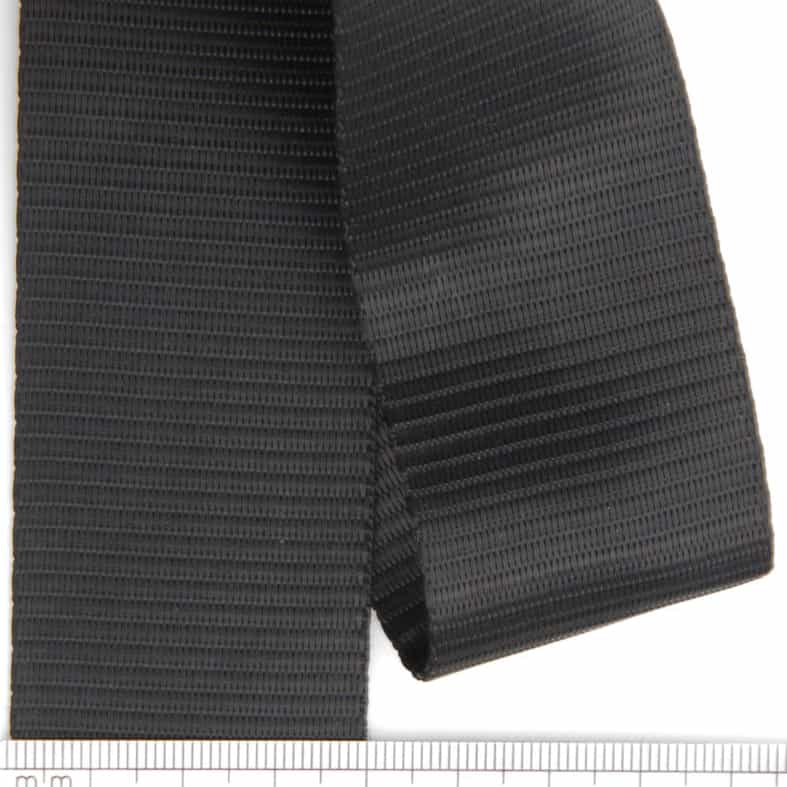
  • Polyester Saddle Web – a strong and durable material used for manufacturing new girth straps.
  • Girth Straps – replacement straps used when original fittings are worn, damaged, or no longer fit for purpose.
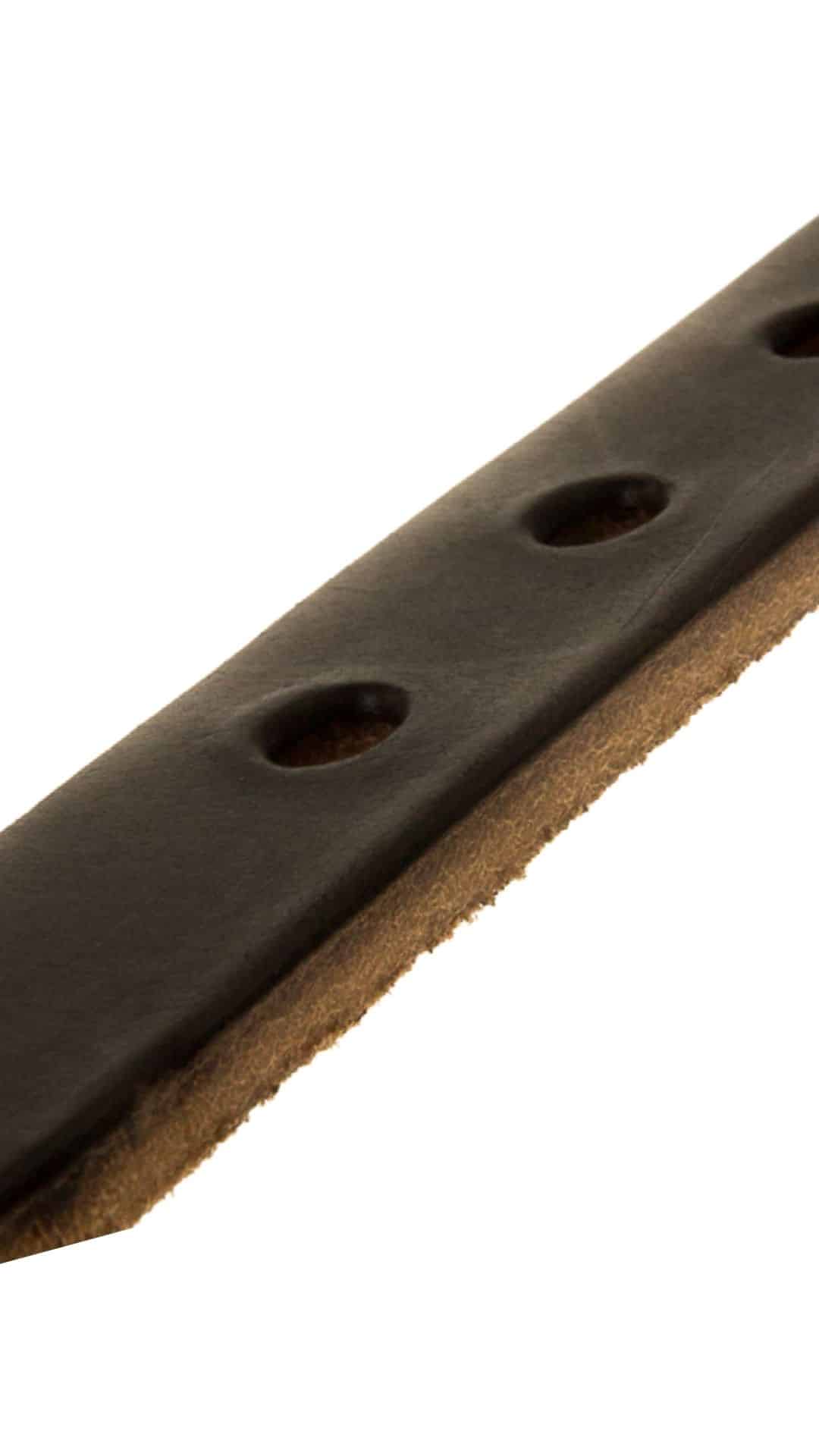
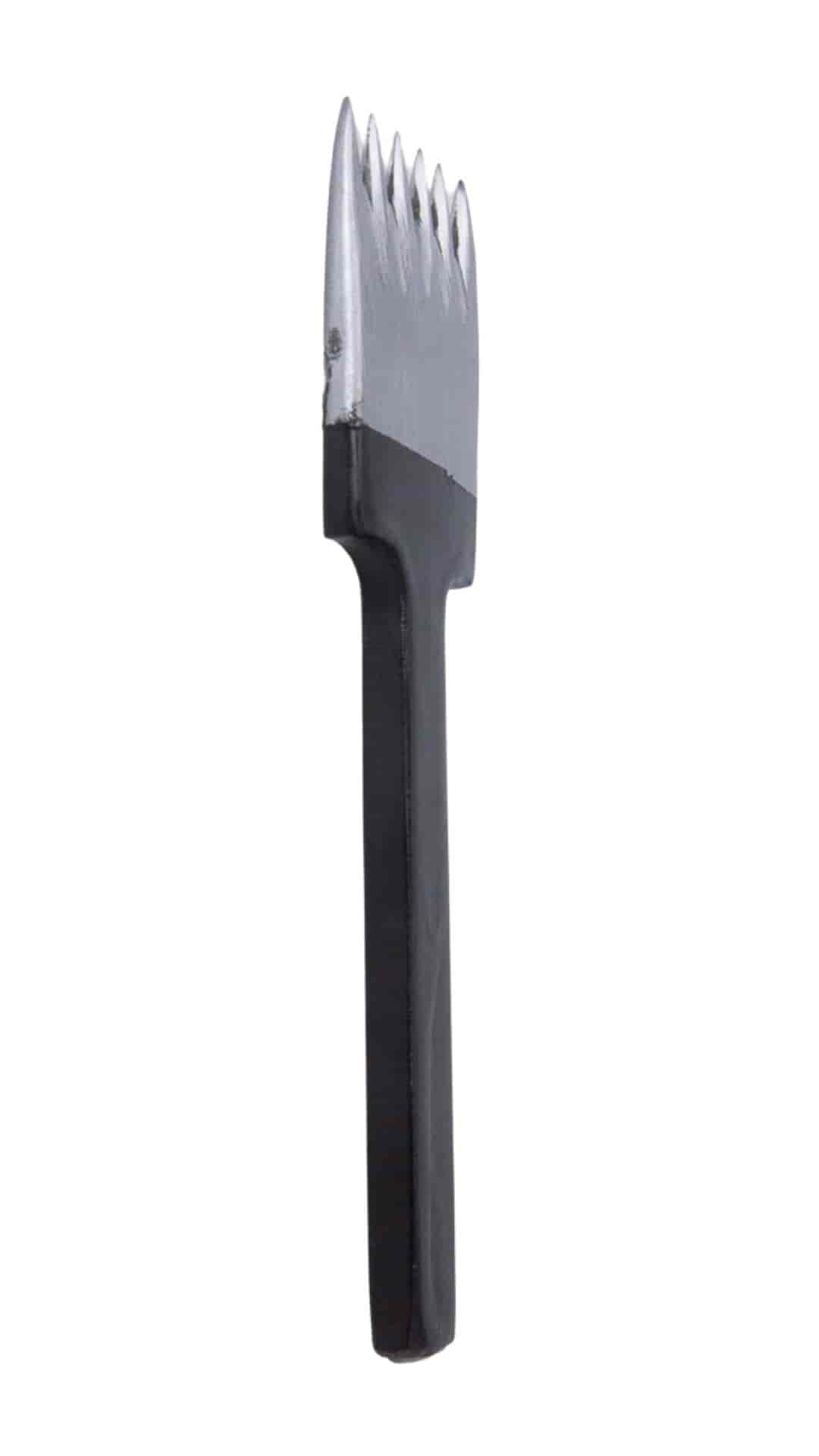
  • Pricking Iron – used to mark evenly spaced stitching holes, ensuring accuracy and consistency along the strap.
  • Mallet – assists in preparing leather and setting tools during the stitching and assembly process.

Tips for Girth Strap Work:

Working on girth straps requires a high level of skill and should only be undertaken by trained saddle fitters who have been taught the correct techniques. Incorrect installation can compromise both saddle safety and the comfort of the horse, so accuracy and confidence in the process are essential.

  • Only carry out girth strap work if you have been properly trained in the correct methods and procedures, as incorrect fitting can seriously affect saddle stability and safety.
  • Use the pricking iron to create consistent, evenly spaced stitching marks, ensuring accuracy and a clean, professional finish.
  • The mallet can be used to assist in flattening and securing the leather during preparation, helping to create a stable base for accurate stitching.
  • Always check alignment and symmetry carefully before completing the work, ensuring the girth straps are correctly positioned, secure, and fully functional.
  • Attention to detail at this stage is critical, as properly installed girth straps play a key role in maintaining saddle balance, security, and long-term performance.

REGULATING

When working with serge panels, it is often necessary to regulate the flocking to ensure the panel maintains a smooth, even surface and the correct overall shape. Regulation is a key part of achieving a balanced saddle fit, helping to maintain consistent contact and even pressure distribution across the horse’s back.

Careful regulation allows the saddle fitter to make fine adjustments to the flocking density, ensuring that any irregularities are corrected and that both panels remain symmetrical. This helps the saddle sit more comfortably and perform more effectively in use.

By taking the time to regulate the flocking correctly, you can improve both the stability of the saddle and the long-term comfort of the horse, ensuring a professional and well-balanced finish.


Tool Needed:
  • Awl – used to carefully manipulate, lift, and redistribute the wool within the panel. This allows precise control when regulating flocking density and helps achieve an even, balanced surface across the panel.


Tips for Regulating:

Regulating the flocking is a delicate process that requires patience and a light touch. The aim is to refine the internal structure of the panel without disturbing the overall balance or over-compressing the wool.

  • Work gradually and with control, gently pushing or redistributing the wool as needed, avoiding excessive compression that could affect the saddle’s balance or comfort.
  • Regularly check panel symmetry throughout the process to ensure both sides remain even and consistent in shape, density, and support.
  • Regulation is most effective after new flocking has been added but before final lacing or lining, as this allows you to smooth out any lumps, uneven areas, or inconsistencies in fill.
  • Proper regulation is a vital finishing step in the reflocking process, helping to ensure the saddle panel is evenly filled, correctly balanced, and professionally finished before being returned to the horse.

HOW TO ATTACH AN AWL BLADE

​Attaching a curved awl blade to its haft (handle), or fitting a curved clicker blade to a handle, can be a delicate process—particularly for those doing it for the first time. While your course tutor will always provide guidance during training, it is helpful to have a clear reference for completing the process safely and correctly on your own.
Method 1: Using a Vice
  1. Secure the awl blade firmly in a vice, ensuring it is positioned point-down and held straight.
  2. To protect the softer metal of the blade, place two 2p coins (or a suitable alternative) on either side before tightening the vice. This helps prevent marking or damage.
  3. Carefully tap the haft or handle onto the end of the blade using a mallet, applying controlled, even pressure until the blade is fully seated.
  4. Once fitted, check that the blade is straight, secure, and stable before use in any leatherwork application.

Method 2: Screw-Fitted Handles

  • Some awl handles are designed with a screw or locking fitting system, allowing the blade to be secured without the need for a vice.
  • In these cases, simply insert the blade into the handle and tighten the locking mechanism until it is held firmly in place.
  • Always ensure the blade is properly aligned and fully secure before use.

Safety Reminder

  • This guide is intended for reference purposes only. Only attempt to attach a blade if you are fully confident in doing so safely and correctly.
  • If you are unsure at any stage, seek assistance from your tutor or a qualified saddler. Incorrect or insecure attachment can result in injury, damage to your tools, or compromised performance during use.
  • Always take care when handling sharp blades and metal fittings, ensuring a stable working setup and full control throughout the process.

Taking the time to attach blades correctly helps ensure your tools remain safe, reliable, and ready for precise, professional-quality leatherwork.

KIT

As you gain experience in saddle reflocking, you will naturally develop preferences for specific tools, techniques, and working methods. However, when starting out, having the correct essential kit is key to ensuring safe, accurate, and professional results.

The following tools and materials are recommended as a foundation for beginner saddle reflocking work:


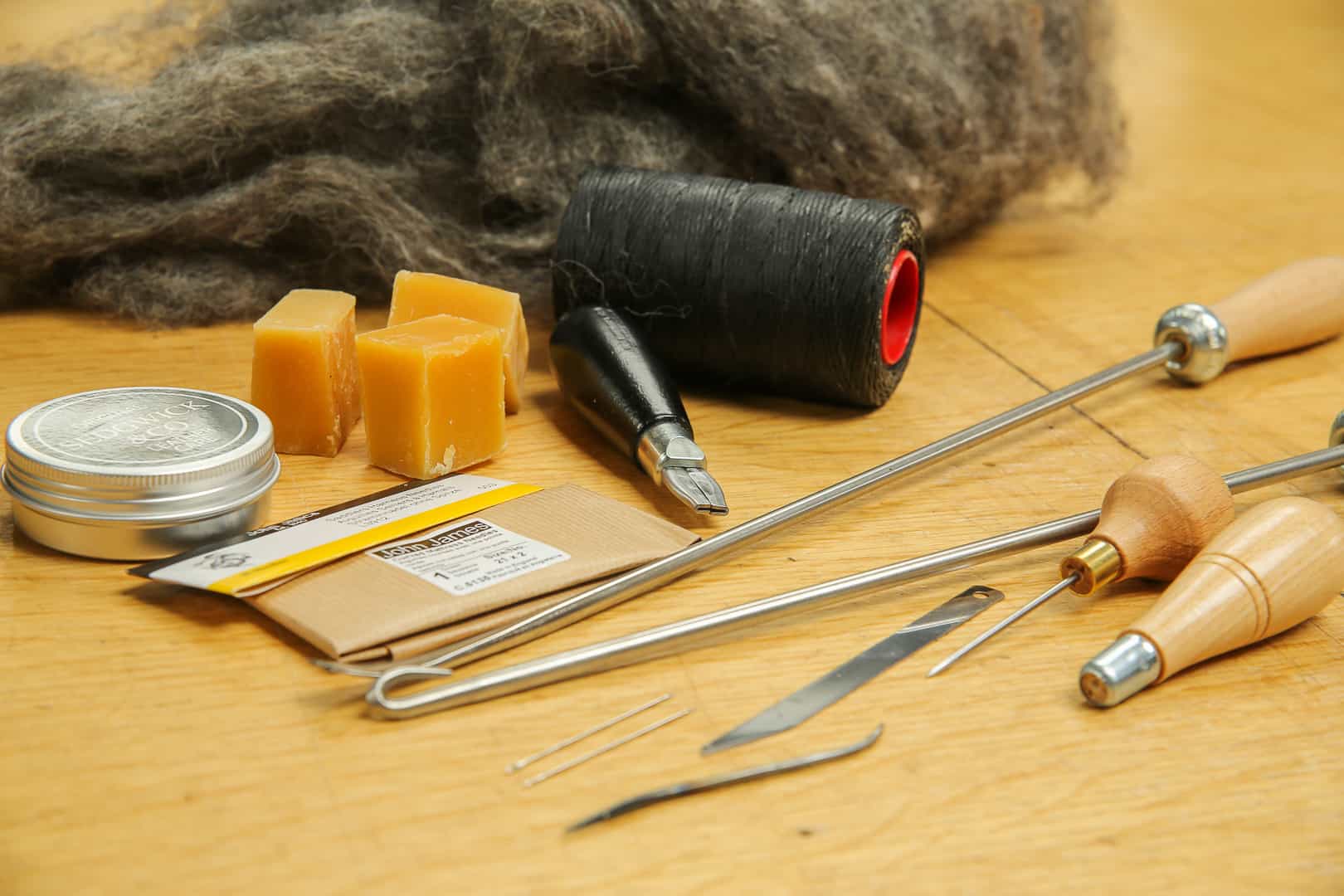
Tools and Materials:
  • Clicker Blade and Handle – used for precise cutting, opening panels, and shaping leather during preparation and reassembly.
  • De-flocking Iron – designed to safely remove old wool from the panel without damaging the internal structure.
  • Harness and Curved Mattress Needles – essential for stitching, closing, and lacing panels during the reflocking process.
  • Tiger Thread (0.8mm and 1.4mm, black or brown) – strong, durable thread suitable for securing both front and rear sections of the panel.
  • Curved Awl Blade and Handle – used for stitching and lacing in tighter or more complex areas where control and precision are required.
  • Short and Medium Curved Flocking Irons (12” & 16”) – ideal for distributing wool into corners and shaping the panel edges evenly.
  • Medium Straight Flocking Iron (14”) – used for general flocking work and achieving an even wool distribution across the panel.
  • Clicker Awl – used for accurate marking and assisting with precision stitching during panel work.
  • Sedgwick Leathercare (60ml) – applied after reflocking to clean, nourish, and condition the leather, helping maintain suppleness and longevity.


Flocking course tool kit

Tips for Kit Use:

  • Take time to familiarise yourself with each tool, its function, and its correct application before beginning any reflocking work. A clear understanding of your equipment will improve both confidence and accuracy throughout the process.
  • Maintain and store your tools properly after each use. Keeping blades sharp, needles clean, and handles in good condition ensures they remain safe, reliable, and effective over time.
As your skills progress, you may find that certain sizes, shapes, or materials better suit your personal workflow. This kit is designed to provide a strong and reliable foundation for beginners, which can then be refined as experience develops.

ESSENTIAL FLOCKING TOOL KIT

Balck saddle on horse

FIND YOUR ESSENTIAL  

flocking tool kit HERE


A full reflock is a highly skilled and satisfying process, allowing a trained saddle fitter to restore correct balance, support, and comfort for both horse and rider. When carried out correctly, it ensures that the saddle tree, panel design, seat, and blocks work together harmoniously to complement the horse’s conformation and the rider’s position.

Reflocking is not solely focused on the panel and wool. It is also an important opportunity to assess the overall integrity of the saddle, including the soundness and symmetry of the tree, stirrup bars, girthing points, and panel structure. Any findings that may affect safety or comfort should be clearly communicated to the client.

Where appropriately trained, the saddle fitter may also carry out minor adjustments such as adding or removing point or balance girth straps, as well as undertaking small stitching repairs. However, it is essential to recognise the limits of individual training and qualification. Any work that falls outside of a fitter’s competency should always be referred to a qualified saddler. Saddlers are generally very willing to advise and assist, and it is strongly encouraged to seek support when needed, particularly when developing skills or gaining experience.

For those new to the process, reflocking can initially feel daunting — especially when first learning how to “drop a panel” (carefully unpicking the stitching to separate the panel from the seat), or “re-lace” a panel during reassembly. Even with a tool list in hand, it is not always immediately clear which specific awl, needle, or cutting tool is required, and terminology such as a “clicker knife” can be unfamiliar at first.

This guide is designed to support you through those early stages, helping you build confidence and develop good working practice once appropriate flocking training has been completed.

All essential tools and materials referenced within this article can be purchased separately.

Please note that the tool list provided is structured by stage of the process. Where a tool has already been introduced in a previous section, it will not be repeated. Your tutor will guide you on the correct use of each tool and material throughout your training. Any items marked with ** are not supplied by Abbey England but can typically be sourced from general DIY or craft suppliers.

_________________________________________________

OUR CONTRIBUTOR
Image of Catherine Baker

DROPPING THE PANEL


Dropping the panel is the process of carefully separating the saddle panel from the tree and seat, providing access to the internal wool, stitching, and structural components required for reflocking, repair, or inspection. This is a fundamental step in the reflocking process and plays an important role in assessing the saddle’s balance, symmetry, and overall condition.

Correct execution of this stage allows the saddle fitter or saddler to closely examine the internal structure of the saddle and identify any areas that may require adjustment, repair, or replacement.

Tools Required

  • Clicker Handle
  • Clicker Blade

A curved blade can be useful when working around tight or awkward areas, as it allows you to follow the natural contours of the leather more easily without causing unnecessary damage. However, many leatherworkers prefer a straight blade, as it often provides greater control and precision when cutting through stitching and leather, resulting in a cleaner and more accurate separation.

Tips for Beginners:

  • When learning to drop a panel for the first time, patience and control are essential.

  • Always work slowly and methodically to avoid cutting into the leather, panel, or tree.

  • Ensure your blade is kept sharp at all times, as a dull blade increases the risk of slipping and uneven cuts.

  • Make small, controlled cuts along the stitching line rather than attempting to separate large sections at once.

  • Take note of the original stitching pattern as you work, as this will make re-lacing the panel significantly easier later in the process.

Dropping the panel can feel intimidating initially, but with the correct tools, careful technique, and practice, it becomes a straightforward and essential part of professional reflocking work.

ASSESSING THE TREE 

Before making any adjustments or beginning the reflocking process, it is essential to carefully inspect the saddle tree for soundness, symmetry, and any signs of wear, distortion, or damage. This step is critical in ensuring the saddle remains safe, balanced, and comfortable for both horse and rider.

A thorough assessment at this stage helps identify structural issues that may affect performance or fit, and ensures that any subsequent reflocking work is carried out on a sound foundation.

Tools Required

  • Staple and/or Tack Remover – used to carefully remove staples or tacks in order to peel back the gullet lining without damaging the leather or underlying panel structure.
  • Cutting Mat with Grid* – a useful visual reference for checking alignment, symmetry, and balance across both panels of the saddle.

Tips for Assessing the Tree

When assessing the tree, accuracy and patience are key.

  • Work slowly and methodically, removing staples or tacks individually to avoid tearing or distorting the lining.
  • Use the grid on your cutting mat as a visual guide to help identify twists, uneven pressure points, or misalignment within the saddle structure.
  • Pay close attention to the placement of stirrup bars, panel shape, and girth strap positioning, as irregularities in these areas can significantly impact saddle balance and rider comfort.
  • Record your findings clearly so they can inform any necessary adjustments, repairs, or client discussions later in the process.

A careful and structured assessment of the tree provides the foundation for all further work, ensuring that reflocking and adjustments are carried out safely and effectively.

A thorough assessment of the saddle tree is a crucial stage in the reflocking process, as it ensures the saddle remains structurally sound, safe, and comfortable for both horse and rider. Identifying any issues at this point allows for accurate corrections to be made before any new wool is added or panel adjustments are carried out, helping to maintain correct balance and long-term performance.

READYING THE PANEL

Once the panel has been dropped, the next stage is to carefully remove the existing flocking and carry out any minor adjustments required to the panel structure before introducing new wool. Proper preparation at this stage is essential to ensure a smooth, even finish and to help maintain the correct balance and performance of the saddle once reflocked.

Taking the time to prepare the panel thoroughly allows for a more consistent fill, improves the overall fit, and ensures the final result supports both horse and rider correctly.

Recommended Tools and Materials:

  • De-flocking Iron – used to safely and efficiently remove old wool from the panel without damaging the internal structure.
  • Awl – for preparing and opening leather in readiness for stitching.
  • Awl Handle – provides improved comfort and control during stitching work.
  • Long Nose Pliers* – useful for handling materials and assisting with stitching adjustments in tight areas.
  • Beeswax – applied to thread to reduce friction, improve durability, and ease stitching.
  • Tiger Thread (0.6mm – 0.8mm) – a strong, high-quality thread suitable for durable panel stitching.
  • Harness Needle, Size 2 (Straight) – used for closing the inner panel or lacing the front section of the saddle.
  • Curved Mattress Needle, 3” – ideal for lacing the rear panel and carrying out stitching adjustments in curved or difficult areas.

A Note About Needles

There are three main types of needles commonly used in saddle reflocking work, each designed for specific stages of the process. Selecting the correct needle is essential for achieving accurate, secure, and professional results.

Straight, Blunt Harness Needles
  • Most commonly used for closing the inner panel after old flocking has been removed and new wool has been added.
  • Also used for lacing the front of the saddle and carrying out minor adjustments to panel shape and structure.
  • Their straight form provides control and precision when working through traditional stitching lines.

Curved Mattress Needles
  • Can be used for many of the same tasks as straight harness needles, offering versatility in panel work.
  • Particularly well suited for lacing the rear panel, where the panel attaches to the seat and access can be more restricted.
  • The curved shape allows for improved reach and smoother stitching in tighter or awkward areas.

Long, Thick Straight Mattress Needles
  • Used primarily for quilting the panel legs once the flocking process has been completed.
  • Typically, only three to four stitches are required along the lower section of the panel leg to help the panel shape correctly conform to the horse’s conformation and workload.
  • The decision to quilt—and the placement of stitches—should always be based on a careful assessment of both horse and rider requirements.

FLOCKING THE PANEL

Once the panel has been fully prepared, the next stage is to introduce the new flocking material. Correct flocking is essential to ensure the saddle panels are evenly filled, supportive, and comfortable, allowing the saddle to perform correctly on the horse’s back.

The aim of this stage is to achieve a consistent, well-balanced distribution of wool that supports both the saddle tree and the horse’s conformation, without creating pressure points or uneven weight distribution.

Materials Needed:

  • White Long Fibre Wool or Brown Jacobs Wool – approximately 2kg is generally sufficient for most standard saddles, although requirements may vary depending on panel size and adjustment needs.
  • Flocking Irons

    Flocking irons are used to distribute, position, and manipulate the wool evenly throughout the panel.

    • Economy Stuffing Iron – more flexible in design, allowing easier movement into tight corners and curved areas of the panel.
    • Stainless Steel Flocking Iron – more rigid and durable, offering greater precision and control for detailed or finishing work.
  • Both tools play an important role in ensuring the wool is evenly spread and correctly positioned within the panel structure.

  • Smasher / Masher

The smasher (or masher) is used to compress and shape the flocking once it has been distributed within the panel.

  • Available in aluminium or brass, depending on preference and handling feel.
  • Helps to compact the wool evenly, ensuring a smooth, consistent fill and preventing uneven settling over time.
  • Essential for achieving the correct density and balance within the finished panel.

Correct flocking technique, combined with the appropriate tools, ensures the saddle panels provide consistent support, maintain shape, and deliver long-term comfort and performance for the horse.

Tips for Flocking

Achieving a consistent, well-balanced flocking requires patience, control, and regular assessment throughout the process. Working methodically will help ensure the panels are even, supportive, and correctly shaped to the horse’s conformation.

  • Work in small, manageable sections, gradually adding and pressing the wool to avoid uneven distribution or dense patches within the panel.
  • Use the flocking iron to carefully guide and push the wool into corners, edges, and tighter areas, ensuring the panel maintains its intended shape and structure.
  • The smasher is used to compress the wool evenly, creating a firm and consistent fill; however, care should be taken not to over-compress, as this can affect balance and alter the saddle’s fit.
  • Regularly check panel symmetry throughout the process by comparing both sides, ensuring alignment is maintained and that both panels are building up evenly for optimal comfort and performance.

 LINING THE PANEL

Once the panel has been fully flocked, you may choose to line it to provide additional cushioning, protection, and durability. A well-chosen lining helps support the flocking, maintain the panel’s shape over time, and enhance overall comfort for the horse.

Lining can also assist in reducing wear between the panel and saddle structure, contributing to improved longevity and a more consistent performance under regular use.

.
Lining Options:
  • Soft Polyester Felt – a lightweight and durable option that provides a smooth, even finish while offering gentle cushioning support. It is commonly used for its balance of practicality and comfort.
  • Neoprene EPDM (typically 3mm) – offers increased cushioning and resilience, making it particularly suitable for saddles that experience higher levels of impact or frequent, heavy use. It helps absorb pressure while maintaining stability and structure.

Tips for Lining

Correctly applying the lining is an important finishing stage in the reflocking process, helping to secure the flocking, protect the panel structure, and ensure a clean, professional result.

  • Cut the lining accurately to fit the shape of the panel, ensuring there are no folds, wrinkles, or gaps that could affect the final finish or performance.
  • Ensure the lining sits smoothly and evenly over the flocking, maintaining the natural shape, symmetry, and balance of the panel.
  • Use this stage as an opportunity to reassess panel balance and alignment, making any small adjustments to the flocking if required before the panel is closed.
  • Take care to ensure consistent tension and placement, as this will contribute to both the durability and comfort of the finished saddle.

Properly applied lining not only protects the internal structure of the panel but also enhances comfort, longevity, and overall performance, delivering a clean and professional finish to the reflocking process.

LACING IN THE PANEL

After the panel has been prepared, flocked, and optionally lined, the next step is to re-lace it back into the saddle. This stage is essential for securing the panel correctly and ensuring it maintains its intended shape, alignment, and overall balance.

Correct lacing not only holds the structure firmly in place but also plays a key role in the long-term performance of the saddle, helping to preserve even contact and consistent support across the horse’s back.

Tools and Materials Needed

  • White Gel Pen* – used for accurately marking panel positions and reference points; can also be used prior to dropping the panel to ensure consistent alignment.
  • 20mm Tacks or Scratch Awl – used to temporarily secure the front of the panel in position during the lacing process.
  • Curved Awl (with Handle) – assists in guiding thread and creating precise stitching holes, particularly in tighter or curved areas.
  • Clicker or Scratch Awl – used for fine, detailed work along panel edges where accuracy is essential.
  • Tiger Thread – doubled 0.8mm–1mm for front sections; 1.4mm for lacing the rear panel, providing strength and durability throughout.
  • Thread Snips or Small Sharp Scissors* – used to create a clean, fine point on thread ends to aid easier needle threading.
  • Harness Needles and Curved Mattress Needles – essential for stitching and lacing different sections of the panel securely and accurately.
  • Short Nose or Saddler’s Pliers – used to grip and pull lacing tight, helping to maintain consistent thread tension.
  • Short Length of Round Doweling* – a useful aid for maintaining even tension and alignment while tightening lacing during the process.
  • Straight Mattress Needle – only required when adding quilting to panel legs, and should be used following tutor guidance and assessment.

Tips for Lacing

Re-lacing the panel is a precise and controlled stage of the reflocking process, requiring patience, consistency, and careful attention to detail to ensure a secure and well-balanced finish.

  • Begin by securely holding the front of the panel in position using tacks or a scratch awl to maintain correct alignment throughout the process.
  • Carefully lace the rear panel, working methodically and maintaining even tension to prevent distortion, twisting, or uneven pull across the panel structure.
  • Use pliers or a short length of dowelling to assist in pulling the lacing tight, helping to achieve a smooth, flush, and consistent finish.
  • When considering quilting on the panel legs, always assess the horse and rider requirements first, and only apply stitching where it is necessary to support or refine the panel shape.
  • Follow the original stitching pattern closely to ensure the panel is reassembled symmetrically, securely, and in line with its original construction.

Re-lacing is a critical stage in the reflocking process. Using the correct tools and maintaining good technique ensures the panel is securely fitted, evenly tensioned, and comfortable, resulting in a professional, well-finished saddle.

FINAL CHECKS

​Before returning the reflocked saddle to the horse for fitting, it is essential to carry out a thorough final inspection. This ensures that all work has been completed accurately, securely, and to a professional standard, while also confirming the comfort and safety of the finished saddle.
Steps for Final Checks:

Inspect the Panel

  • Check that the panel is evenly filled, well-balanced, and symmetrical on both sides.
  • Ensure all lacing is secure, correctly tensioned, and that the panel sits smoothly and flush against the saddle tree without gaps or distortion.

Check Stitching and Adjustments

  • Verify that any alterations to girth straps, quilting, or panel shaping have been completed accurately and are structurally sound.
  • Confirm that all stitching is consistent, with no loose threads, uneven tension, or deviations from the original stitching pattern.

Clean and Condition the Leather

  • Carry out a final clean of the saddle to remove any dust, fibres, or residual flocking material from the work process.
  • Apply a suitable leather care product to nourish and protect the leather, helping to maintain suppleness, durability, and overall appearance.
    • Recommended products include Abbey Saddle Food or Sedgwick Leathercare.


Click the button ‘View product’ to see the price and add to cart
ADDITIONAL TASKS

Additional Tasks: Adding or Replacing Girth Straps

For trained saddle fitters, the reflocking process may also include the addition or replacement of girth straps. This is an important task when existing straps are worn, weakened, or no longer provide the correct level of security and stability. Ensuring girth straps are in good condition is essential for maintaining a safe and correctly fitting saddle.

Any adjustments or replacements should only be carried out by appropriately trained professionals, as correct alignment and secure attachment are critical to both horse and rider safety.


Tools and Materials Needed:

  • Polyester Saddle Web – a strong and durable material used for manufacturing new girth straps.
  • Girth Straps – replacement straps used when original fittings are worn, damaged, or no longer fit for purpose.
  • Pricking Iron – used to mark evenly spaced stitching holes, ensuring accuracy and consistency along the strap.
  • Mallet – assists in preparing leather and setting tools during the stitching and assembly process.

Tips for Girth Strap Work:

Working on girth straps requires a high level of skill and should only be undertaken by trained saddle fitters who have been taught the correct techniques. Incorrect installation can compromise both saddle safety and the comfort of the horse, so accuracy and confidence in the process are essential.

  • Only carry out girth strap work if you have been properly trained in the correct methods and procedures, as incorrect fitting can seriously affect saddle stability and safety.
  • Use the pricking iron to create consistent, evenly spaced stitching marks, ensuring accuracy and a clean, professional finish.
  • The mallet can be used to assist in flattening and securing the leather during preparation, helping to create a stable base for accurate stitching.
  • Always check alignment and symmetry carefully before completing the work, ensuring the girth straps are correctly positioned, secure, and fully functional.
  • Attention to detail at this stage is critical, as properly installed girth straps play a key role in maintaining saddle balance, security, and long-term performance.

REGULATING

When working with serge panels, it is often necessary to regulate the flocking to ensure the panel maintains a smooth, even surface and the correct overall shape. Regulation is a key part of achieving a balanced saddle fit, helping to maintain consistent contact and even pressure distribution across the horse’s back.

Careful regulation allows the saddle fitter to make fine adjustments to the flocking density, ensuring that any irregularities are corrected and that both panels remain symmetrical. This helps the saddle sit more comfortably and perform more effectively in use.

By taking the time to regulate the flocking correctly, you can improve both the stability of the saddle and the long-term comfort of the horse, ensuring a professional and well-balanced finish.


Tool Needed:
  • Awl – used to carefully manipulate, lift, and redistribute the wool within the panel. This allows precise control when regulating flocking density and helps achieve an even, balanced surface across the panel.


Tips for Regulating:

Regulating the flocking is a delicate process that requires patience and a light touch. The aim is to refine the internal structure of the panel without disturbing the overall balance or over-compressing the wool.

  • Work gradually and with control, gently pushing or redistributing the wool as needed, avoiding excessive compression that could affect the saddle’s balance or comfort.
  • Regularly check panel symmetry throughout the process to ensure both sides remain even and consistent in shape, density, and support.
  • Regulation is most effective after new flocking has been added but before final lacing or lining, as this allows you to smooth out any lumps, uneven areas, or inconsistencies in fill.
  • Proper regulation is a vital finishing step in the reflocking process, helping to ensure the saddle panel is evenly filled, correctly balanced, and professionally finished before being returned to the horse.

HOW TO ATTACH AN AWL BLADE

​Attaching a curved awl blade to its haft (handle), or fitting a curved clicker blade to a handle, can be a delicate process—particularly for those doing it for the first time. While your course tutor will always provide guidance during training, it is helpful to have a clear reference for completing the process safely and correctly on your own.
Method 1: Using a Vice
  1. Secure the awl blade firmly in a vice, ensuring it is positioned point-down and held straight.
  2. To protect the softer metal of the blade, place two 2p coins (or a suitable alternative) on either side before tightening the vice. This helps prevent marking or damage.
  3. Carefully tap the haft or handle onto the end of the blade using a mallet, applying controlled, even pressure until the blade is fully seated.
  4. Once fitted, check that the blade is straight, secure, and stable before use in any leatherwork application.

Method 2: Screw-Fitted Handles

  • Some awl handles are designed with a screw or locking fitting system, allowing the blade to be secured without the need for a vice.
  • In these cases, simply insert the blade into the handle and tighten the locking mechanism until it is held firmly in place.
  • Always ensure the blade is properly aligned and fully secure before use.

Safety Reminder

  • This guide is intended for reference purposes only. Only attempt to attach a blade if you are fully confident in doing so safely and correctly.
  • If you are unsure at any stage, seek assistance from your tutor or a qualified saddler. Incorrect or insecure attachment can result in injury, damage to your tools, or compromised performance during use.
  • Always take care when handling sharp blades and metal fittings, ensuring a stable working setup and full control throughout the process.

Taking the time to attach blades correctly helps ensure your tools remain safe, reliable, and ready for precise, professional-quality leatherwork.

KIT

As you gain experience in saddle reflocking, you will naturally develop preferences for specific tools, techniques, and working methods. However, when starting out, having the correct essential kit is key to ensuring safe, accurate, and professional results.

The following tools and materials are recommended as a foundation for beginner saddle reflocking work:


Tools and Materials:
  • Clicker Blade and Handle – used for precise cutting, opening panels, and shaping leather during preparation and reassembly.
  • De-flocking Iron – designed to safely remove old wool from the panel without damaging the internal structure.
  • Harness and Curved Mattress Needles – essential for stitching, closing, and lacing panels during the reflocking process.
  • Tiger Thread (0.8mm and 1.4mm, black or brown) – strong, durable thread suitable for securing both front and rear sections of the panel.
  • Curved Awl Blade and Handle – used for stitching and lacing in tighter or more complex areas where control and precision are required.
  • Short and Medium Curved Flocking Irons (12” & 16”) – ideal for distributing wool into corners and shaping the panel edges evenly.
  • Medium Straight Flocking Iron (14”) – used for general flocking work and achieving an even wool distribution across the panel.
  • Clicker Awl – used for accurate marking and assisting with precision stitching during panel work.
  • Sedgwick Leathercare (60ml) – applied after reflocking to clean, nourish, and condition the leather, helping maintain suppleness and longevity.


Flocking course tool kit

Tips for Kit Use:

  • Take time to familiarise yourself with each tool, its function, and its correct application before beginning any reflocking work. A clear understanding of your equipment will improve both confidence and accuracy throughout the process.
  • Maintain and store your tools properly after each use. Keeping blades sharp, needles clean, and handles in good condition ensures they remain safe, reliable, and effective over time.
As your skills progress, you may find that certain sizes, shapes, or materials better suit your personal workflow. This kit is designed to provide a strong and reliable foundation for beginners, which can then be refined as experience develops.